Legacy vs cloud: The financial sector’s technology dilemma
Technology, in any industry rarely fails to make its impact and improve nearly all aspects of the sector. Cloud-based banking is no different.
Technology, in any industry rarely fails to make its impact and improve nearly all aspects of the sector. Cloud-based banking is no different.

As retail open banking continues to grow, mechanisms should be put in place to balance innovative products for consumers while ensuring adequate fraud protection.

Asia is the largest and most populous continent in the world, home to more than 60% of the global population – some 4.56 billion people. This vast region spans over

Jonathan Tyce speaks to Nexi’s Tommaso Jacopo Ulissi on how the paytech firm is driving innovation in the sector and what this could mean for the use of digital currencies.

The emergence of Web3 is just one of the technological evolutions that could be pivotal, which is why banks and payments firms need to start now to understand its core values.

With big tech entering the banking space, payment firms need to be at the forefront of changing the ‘software sabotage’ culture to ensure consumers and those in the supply are protected as well as reducing e-waste.
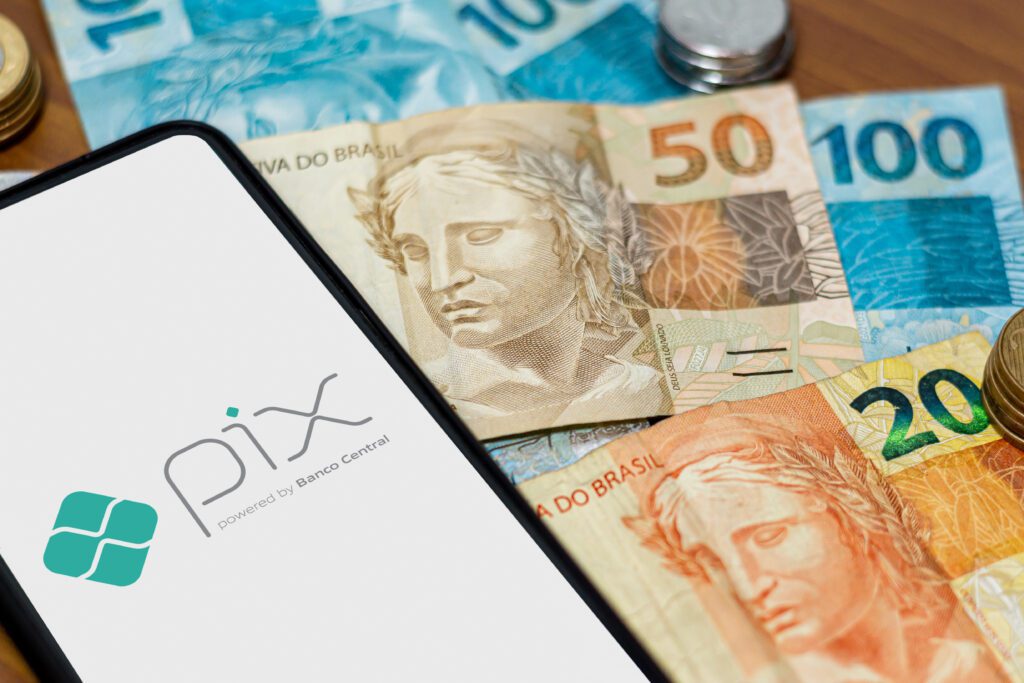
Since the introduction of Pix, Brazil’s instant payment system, the country has become a powerhouse for digital payments.

With purpose-built regulation set to come into force in the EU next year, can the UK catch-up and offer clear guidance for crypto and stablecoin issuers.

On Thursday last week, The Payments Association presented the launch of its latest report ‘Navigating the rising cost of living: Payments innovation as a game-changer’ at Parliament to a range of representatives from the House of Commons, House of Lords, and industry bodies including…the HMT, the FCA, BoE and the PSR.

With earnings trends and guidance discussed by the biggest payment firms globally during half year earnings, Jonathan Tyce analyses what this means for the industry and the outlook into 2024.

The introduction of a digital pound is an opportunity to reform the financial system and make finance more accessible and inclusive.

With the payments industry driving towards faster and cheaper ways to transfer funds, attendees at a Payments Lab session discuss whether atomic settlement could be the next big thing.
While inflation remains a key factor behind consumer spending, the main risk to payment companies is no longer volumes, but margin, and this is set to come under more pressure in the coming months.

The Supreme Court ruling on Philipps v Barclays case was welcome news for compliance teams at payments companies, however extended fraud liability is not completely off the table.

In the last seven years, Tillo has grown from a start-up with a handful of employees to a multi-national company employing nearly one hundred individuals across three continents.

Latest data shows that the regulator’s authorisation of payments and e-money firms is lagging so far behind, it’s rated red against statutory targets.
Global M&A in the payments sector is improving after the 2021 slump, according to Jonathan Tyce, director of research and investment at AlphaOneSolutions and ex-Bloomberg intelligence senior financial analyst. Apple, JPMorgan, PayPal and other big players are out looking for their next venture.

Senior executives at payment firms told The Payments Association that the lack of clear regulatory guidance on open finance means they are struggling to balance the risk of uncertainty with the potential for innovation.

The Joint Regulatory Oversight Committee’s (JROC)’s open banking recommendations have the potential to revolutionise payments, but big investments will be necessary into digital transformation, legacy platform modernisation and cloud migration that is future-proof.
Representatives from the FCA shared the next steps in regulating crypto assets, secondary legislation and what help it is seeking from industry in a closed-door event with The Payments Association’s members.
Stripe and Klarna are among the first in payments to implement the use of ChatGPT in their products and services.

Transferring data from legacy systems is one of the biggest challenges payment firms are facing as part of the transition to ISO 20022. Companies need to manage the risk of data truncation carefully or face asking customers for their data again.

Tyler Pathe speaks to Crown Agents Bank on why the industry should integrate ESG into top-level decision-making and businesses that don’t will find the price is getting higher.

Anjana Haines speaks to HSBC’s UK CEO Ian Stuart on the concerns around the SVB acquisitions and what’s next for the banking giant.
As the cost-of-living crisis takes its toll, more vulnerable groups are at risk of not receiving the support and help they need to access financial services.

High levels of data and machine learning are key if financial institutions want to tackle the sophisticated nature of payment scams.

In a challenging economic climate, businesses must adapt and innovate to keep up with consumer needs and preferences.

The Payments Association’s Project Regulator has created a five-step checklist for firms that have fallen behind on preparing for the new rules.
Financial exclusion in the older population continues to rise and businesses must work together to find solutions that can help this group transition as payments become more digital.

The payments sector has the knowledge and expertise to make open finance a frictionless process that helps customers improve their financial health.
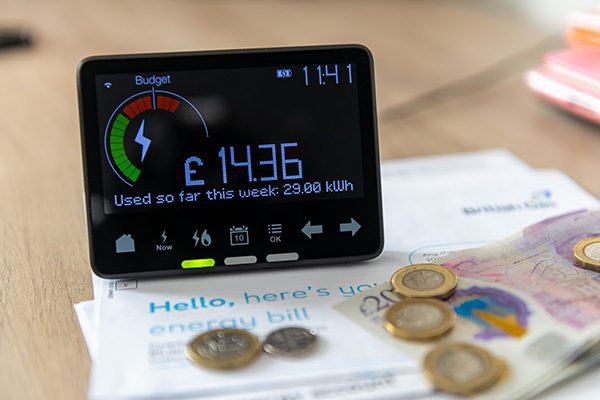
While those hit hardest by the cost-of-living crisis could benefit from using open banking, Stuart Wakefield questions whether the payments sector should be doing more to help.
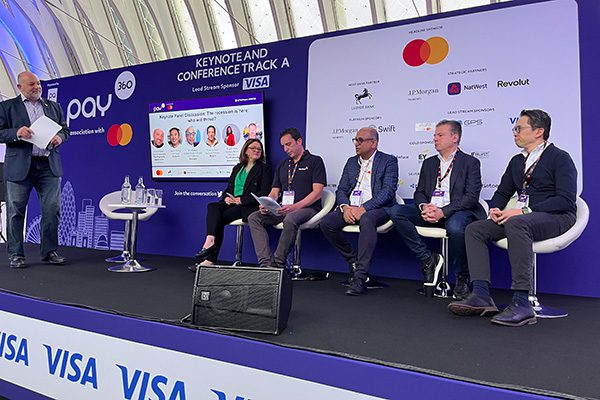
Banks and businesses are struggling to work out the impact of HSBC’s purchase of SVB because the deal and the bank’s intentions lacks transparency. Investors and payment experts come together to discuss the matter.

Embedded and invisible payments with reduced friction is on the horizon for retail payments, but players across the chain must not forget why there is friction. Santander’s chief payments officer Paul Horlock dives into what’s next.

With the Bank of England opening its consultation on digital currencies, the key question for the payments sector is could a digital pound interact with the existing infrastructure.

Open banking is leading the way for open finance and open data where robust open APIs and data management will be the cornerstones of success.
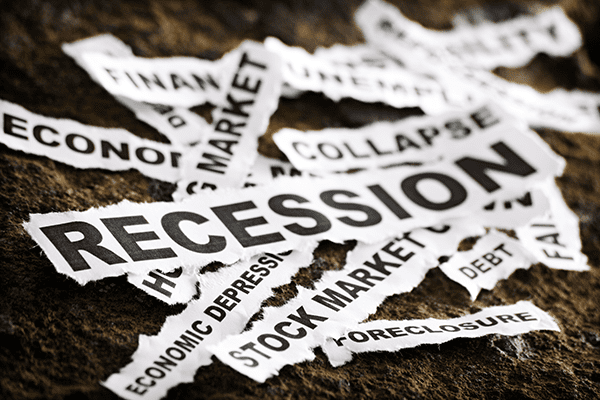
With decreased payment volumes and increased risks of market consolidation, The Payment Association examines how a recession could reshape the industry.

With Apple and Google already laying the foundations for biometric acceptance, the drive behind its adoption now comes from consumer demand for fast, secure and accurate ways to pay.

The G20’s payments roadmap will not succeed if there are no international regulatory and data collection standards, and transparency measures. The coming year could be pivotal for everyone in the multi-layered cross-border payments chain.

While current accounts are not profitable for banks, having loyal customers allows them to cross sell other products and services it offers

The Payment Association’s Project Cross-border hosted a forum in partnership with EPA Asia and IIF to explore the challenges a CBDC could pose and what technology could do to disrupt international transactions.

As buy now, pay later becomes increasingly popular in a recession, the payment method could either give consumers a safe refuge to weather the storm or uncontrolled levels of debt.

Hiding behind technology enables fraudsters to use emotive language to target their victims, so industry experts examine how can people identify the red flags.
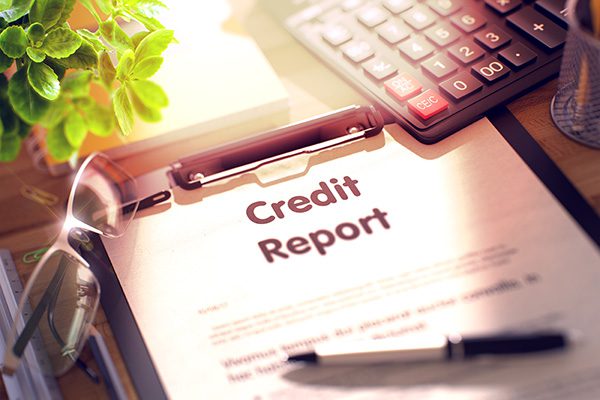
With consumer spending likely to fall over the next two years, the payments sector must be innovative to grow and serve the most financially vulnerable groups.

The Payments Association’s Project Regulator working group will continue to engage with the FCA in 2023 to ensure members can thrive in the UK payments market.

Many firms still haven’t had the opportunity to drill down on the implications that the Consumer Duty has on their business. A recent webinar outlines the key steps to take.

Project Inclusion, led by Josh Berle of Mastercard, showcased the best fintechs offering sustainable and inclusive payments products in 2022 to energise the industry towards better practices. The team engaged

Virtual cards used for B2B transactions can offer tailored payment solutions for customers, while suppliers could gain instant payments and enhanced data, according to several firms using the payment method for B2B transactions.