





Global cross-border payment flows reached nearly $1 quadrillion in 2024, yet many transactions still take days to settle and cost over 6% in fees.”
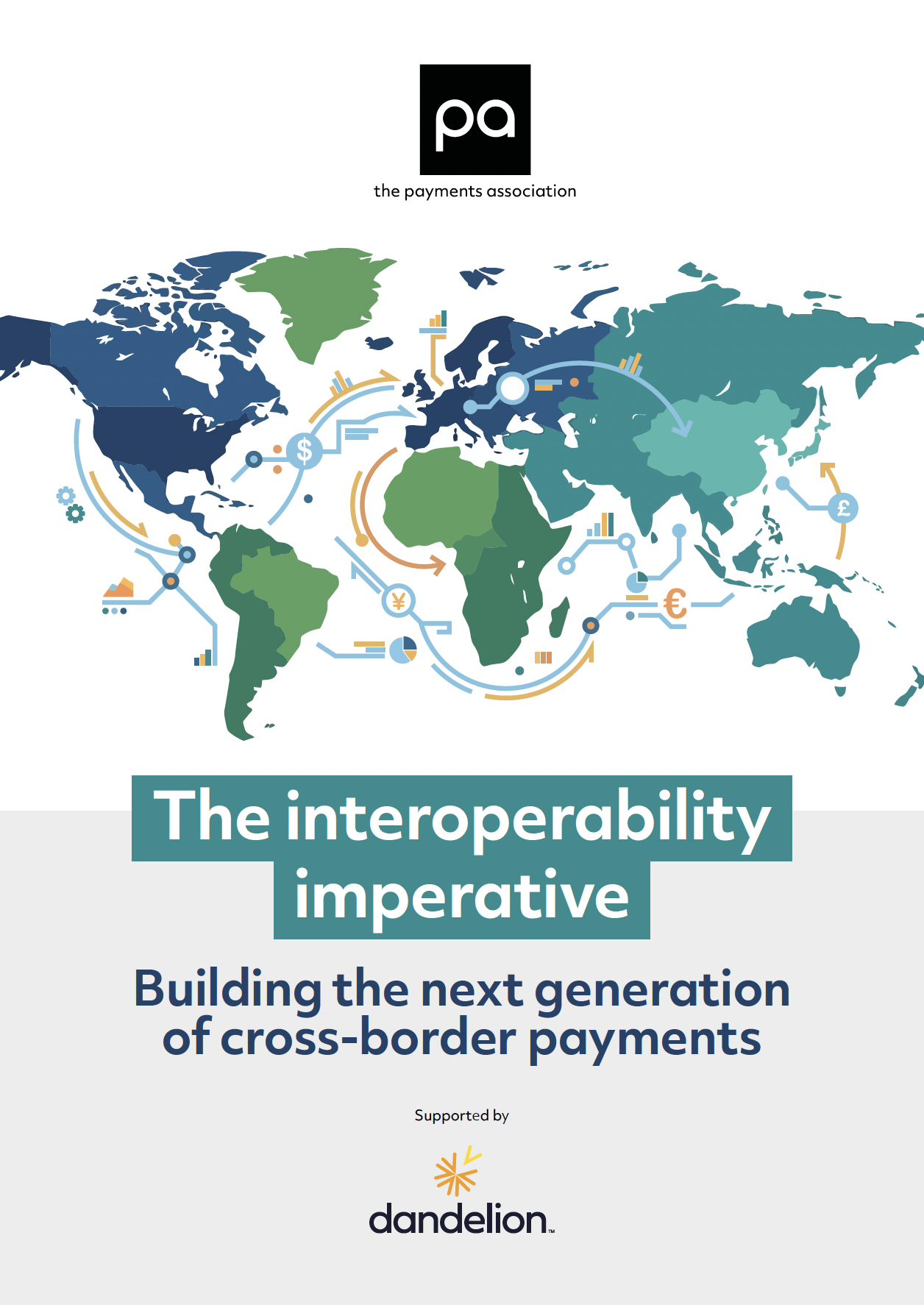
The Payments Association’s latest whitepaper, ‘Navigating the next wave of cross border payments: can innovation conquer the challenges ahead?’ draws on expert insights, case studies, and policy analysis, this paper reveals how banks, fintechs, regulators, and infrastructure providers can work together to build a faster, safer, and more inclusive global payments ecosystem.
Why Read This Whitepaper
The Payments Association’s working groups comprise industry experts from across the payments chain, who share the mission of driving industry change to shape the future payments landscape and improve the industry on behalf of members of the association.
Being a member of one of The Payments Association’s working groups comes with a host of benefits:
In addition, committee members will receive:
All working group members are representatives of organisations with The Payments Association membership.
The group will evaluate the obstacles members face when delivering and receiving international payments, as well as showcase developing propositions and solutions that are improving the efficiency, cost, transparency and safety of cross-border payments.
The group will seek to influence key stakeholders (such as the BoE, HMT, FSB, CPMI) by responding to industry consultations and hosting forums for discussion, with the objective of shaping a more successful future cross-border payments ecosystem.
The group will represent the concerns and priorities of members of the association when engaging with key stakeholders in the global cross–border ecosystem, from international regulators and standard-setters to central banks and payments organisations.

“The Cross-Border Working Group aims to foster a collaborative approach when providing thought leadership to TPA membership and gathering feedback for industry stakeholders that challenges the regulatory evolution of international payments. We want to ensure that the international payments framework accounts for the broad range of current and future requirements of its local and international users and encourages healthy competition between a wide range of providers.”


















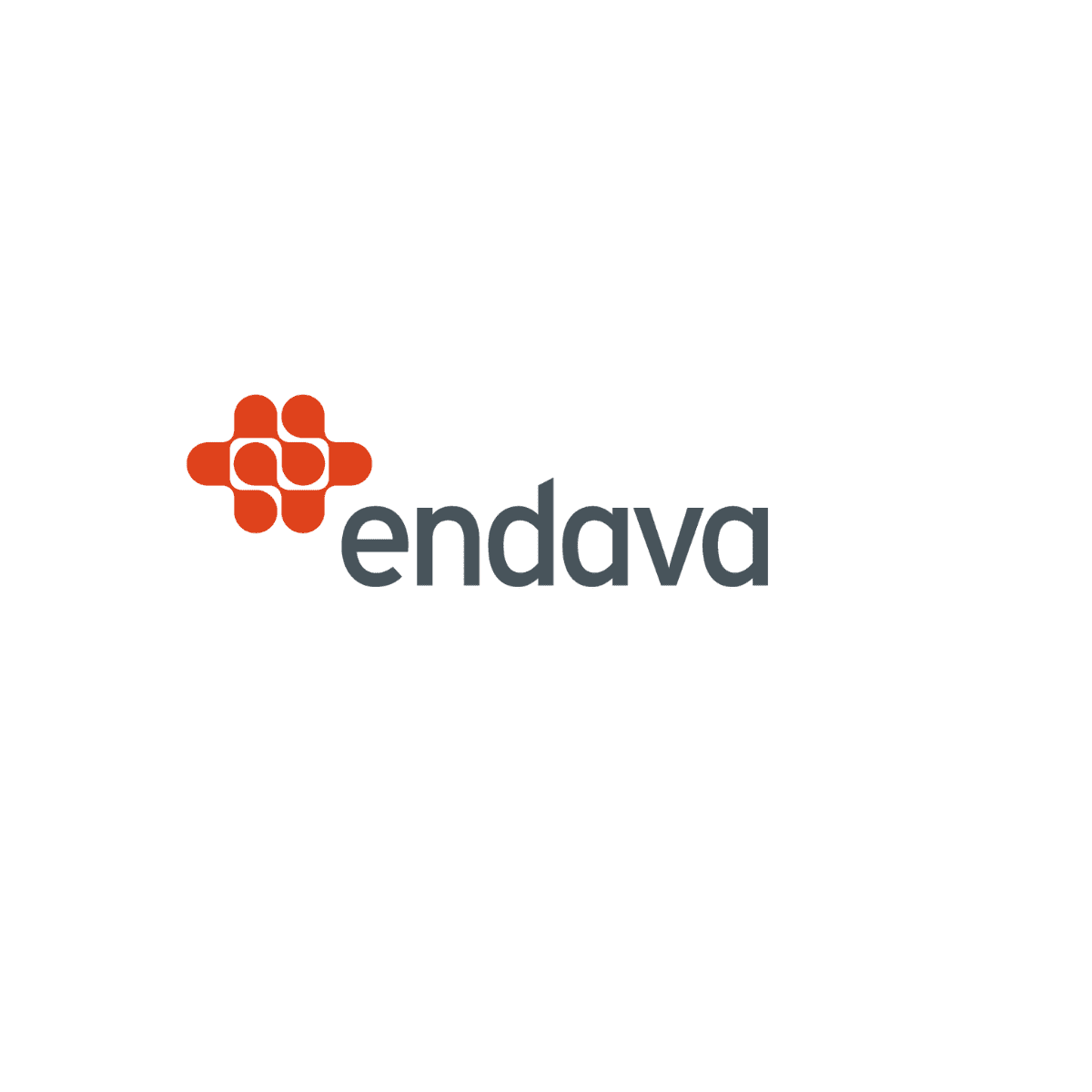











The cross-border working group published a whitepaper providing 10 key takeaways to improve the future of cross-border payments, citing a series of interviews with experts and a survey of 100+ industry professionals.
Cross-border payments are perceived as inherently high risk due to reliance on manual process and lack of transparency among the players. This has created knock on effects (slow, expensive and limited services) for senders and recipients of cross-border payments; a complicated and burdensome regulatory environment that fails significantly in meeting its goals to stop international money laundering and other nefarious acts; and, ultimately, a lack of competition and innovation — continuing the cycle.
The Cross–border Working Group published a short report highlighting the key challenges, barriers and complexities our members face when delivering and receiving cross-border payments.
The Cross-border working group co-hosted a Global Payments Forum meeting with IIF and EPA Asia, which examined the role of CBDCs in disrupting cross-border payments.
In this episode of the Insights podcast, Tony Craddock, Director General of the Payments Association, welcomes Gary Palmer, CEO and Chairman of Payall, for a focused discussion on the evolution and challenges of cross-border payments. With decades of experience, Palmer offers a critical analysis of why this sector, crucial to the global economy, has seen limited technological advancement and outlines the transformative changes on the horizon.
Please fill out the form to indicate your interest in receiving more information about The Payments Association’s Cross-border Working Group. A member of our Project Team will be in touch with you shortly.