D&I practices in the payments sector: 2025 industry survey findings
Payments sector D&I survey: 65% of firms keeping policies stable, with mixed priorities on sex, ethnicity, disability, and evolving evaluation practices.
Payments sector D&I survey: 65% of firms keeping policies stable, with mixed priorities on sex, ethnicity, disability, and evolving evaluation practices.

Cloud-native POS platforms are reshaping merchant payments, blending AI, IoT, and omnichannel tools to boost efficiency, conversion, and CX at scale.

UK SME survey shows open banking intrigues merchants with faster, cheaper payments, but gaps in awareness and security fears slow adoption.

The Bank of England’s offline CBDC trials show it’s technically possible—but device limits, fraud risks, and policy gaps must still be solved.

Six months into APP scam reimbursement rules, 86% of victims are refunded—yet calls grow for a cross-sector, prevention-first fraud strategy.

The Payments Association’s consumer behaviour survey reveals UK consumers’ payment habits in 2025, highlighting growing digital use, persistent cash reliance, and a strong focus on security.

As fraud grows more sophisticated, platforms must balance growth and security—turning risk management into a competitive edge through smart tech and strategy.

RT2 modernises UK payments with ISO 20022, enhanced access, APIs & real-time resilience—enabling innovation, new entrants & a dynamic ecosystem.

HCLTech’s Sudip Lahiri on AI, payment modernisation, self-disruption, CBDCs & why adaptability and partnerships are key in an evolving financial ecosystem.

Tokenisation is now a core enabler of secure, interoperable digital payments—powering embedded finance, asset tokenisation, and evolving identity flows.

UK’s first Financial Inclusion Strategy aims to tackle vulnerability with better cash access, KYC innovation, community finance, and financial education.

Early CBDC deployments show promise for cross-border payments, but adoption hinges on privacy, interoperability, and user-friendly, inclusive design.

UK current account switching hit 1.2m in 2024, but banks face retention issues as digital challengers win loyalty with seamless, transparent customer experiences.

The UK’s BNPL sector is transitioning to FCA regulation, with providers adapting to new compliance, transparency, and consumer protection standards.

As cash use declines, UK regulators push for inclusive payment systems to protect vulnerable groups and ensure access across all demographics.

The UK’s new stablecoin rules offer regulatory clarity for issuers, setting the stage for future integration into mainstream payments.

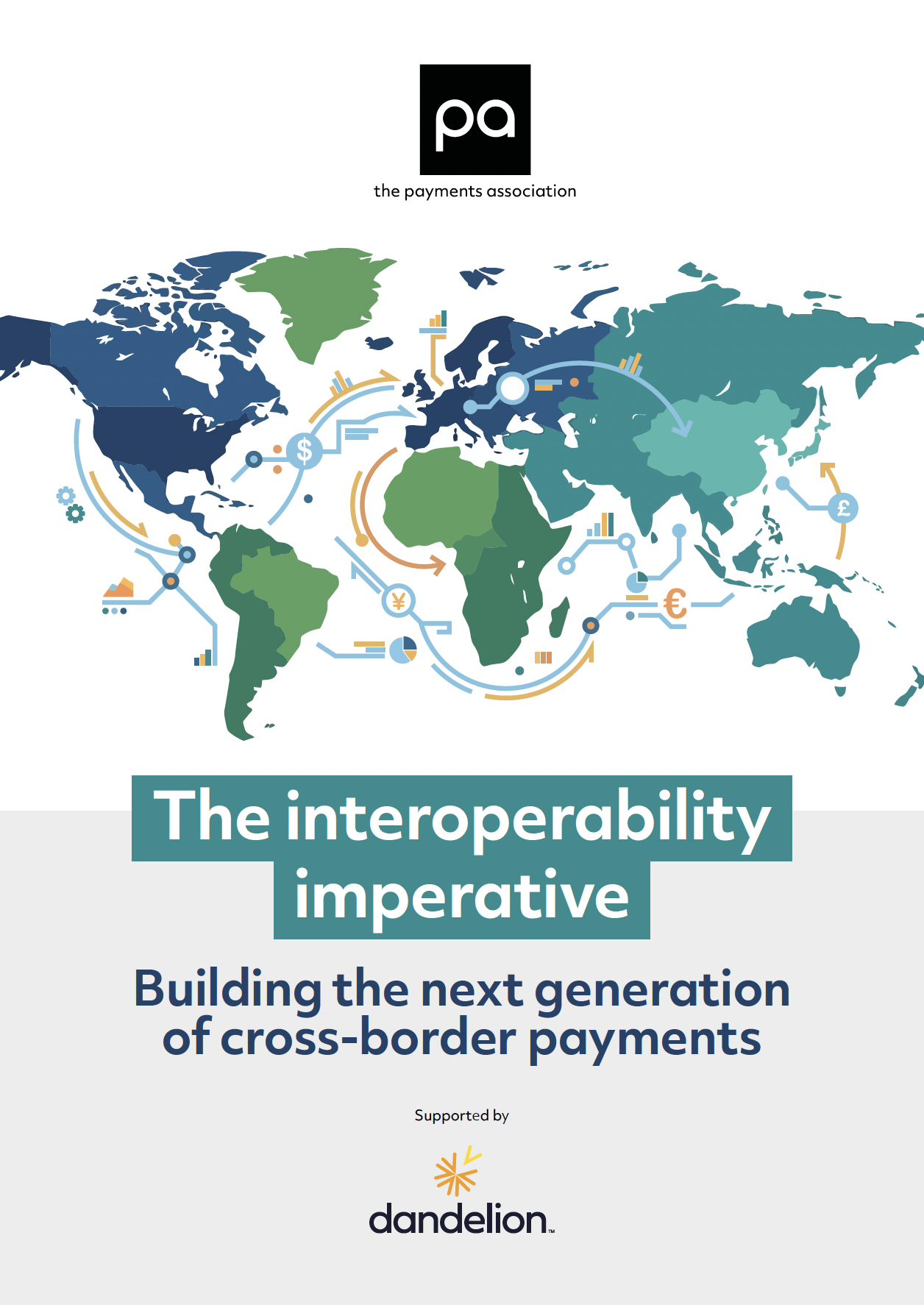
Cross-border payments are being reshaped by new tech, regulation, and partnerships—but legacy risks still demand smarter compliance.

This report presents data-driven insights from a major industry survey, highlighting the key trends, risks, and priorities shaping payments in 2025.

Your quarterly overview of the key regulatory changes impacting payments—what’s happening, what’s coming, and what actions to take

AI is reshaping the fight against payment fraud, prompting financial leaders to adapt with smarter tools, better data, and cross-sector collaboration.
AI is reshaping the fight against payment fraud, prompting financial leaders to adapt with smarter tools, better data, and cross-sector collaboration.

NVIDIA’s EMEA Payments & FinTech Leader, Georgios Kolovos, shares how AI is transforming fraud detection, risk management, and customer engagement.

Diana Carrasco Vime, head of the Digital Pound Project, explores how the digital pound could transform retail payments while ensuring trust and stability.

AI-driven personalisation is fundamentally transforming payments from generic transactions to tailored experiences.

To stay ahead of increasingly savvy, globetrotting criminals, international collaboration is more important than ever.

As payments data shifts to strategic intelligence, firms must harness its power for growth or risk being overwhelmed by complexity and compliance.

As AI decides loans and fraud risks, ethical concerns grow. Are algorithms the new gatekeepers of financial fairness or hidden enforcers of bias?

Operational resilience is key for financial firms amid rapid tech advances, enabling innovation but increasing cyber threats, regulations, and risks.

As digital wallets reshape finance and big tech challenges traditional banks, who will control the future of money?

The Federal Reserve’s shift on crypto banking access raises new questions for payments, stablecoins, and the role of digital assets in finance.

Open finance is expanding data-sharing beyond banking, reshaping payments, lending, and financial services worldwide.

How UK payments regulation can adapt to support innovation, investment, and growth while managing emerging risks.
A Submission for HMT from Tony Craddock, Director General of The Payments Association (TPA) and Vision Engagement Group member. Working with UK Finance and Innovate Finance we have adapted the

The Economic Crime and Corporate Transparency Act 2023 holds businesses accountable for fraud unless they prove strong prevention measures.

Virtual IBANs streamline payments but pose AML risks, demanding stricter oversight from PSPs.

Discover how AI-driven innovation, blockchain advancements, and evolving consumer behaviours are reshaping the payments industry.

APP scams cost UK victims over £340 million in 2023, exposing systemic vulnerabilities and the urgent need for stronger fraud prevention and collaboration.

Open banking faces rising fraud risks, demanding industry-wide collaboration and smarter security solutions to build trust and resilience.

The FCA’s safeguarding reforms introduce stricter compliance requirements for payments and e-money firms, aiming to enhance consumer protection and operational resilience.

The Digital Assets Bill introduces opportunities and challenges for PSPs, from stablecoin clarity to operational overhauls, as firms navigate legal uncertainty and evolving compliance standards.

Merchants gathered in London to tackle evolving fraud challenges, highlighting technology and collaboration as key to staying ahead.

Do the FCA’s safeguarding plans need alignment with the National Payments Vision to ensure strategic, cost-effective, and consumer-focused reforms?

UK crypto regulations will reshape compliance for payment firms, with implementation by 2026.

Generative AI boosts fraud detection but heightens data privacy risks, urging firms to balance innovation with strong compliance.

Operational resilience is crucial as FCA and EU regulations push firms to guard against disruptions and cyber threats.

Payments in 2025 will be shaped by AI, instant payments, CBDCs, embedded finance, and sustainability.

Industry leaders discuss the evolving innovations and challenges shaping the future of payments.

2024 reshaped payments with instant payment mandates, crypto regulations, and enhanced consumer protection, driving innovation and security.