



As more and more payments providers roll out AI-powered tools in their digital journeys, the industry risks leaving vulnerable customers behind.
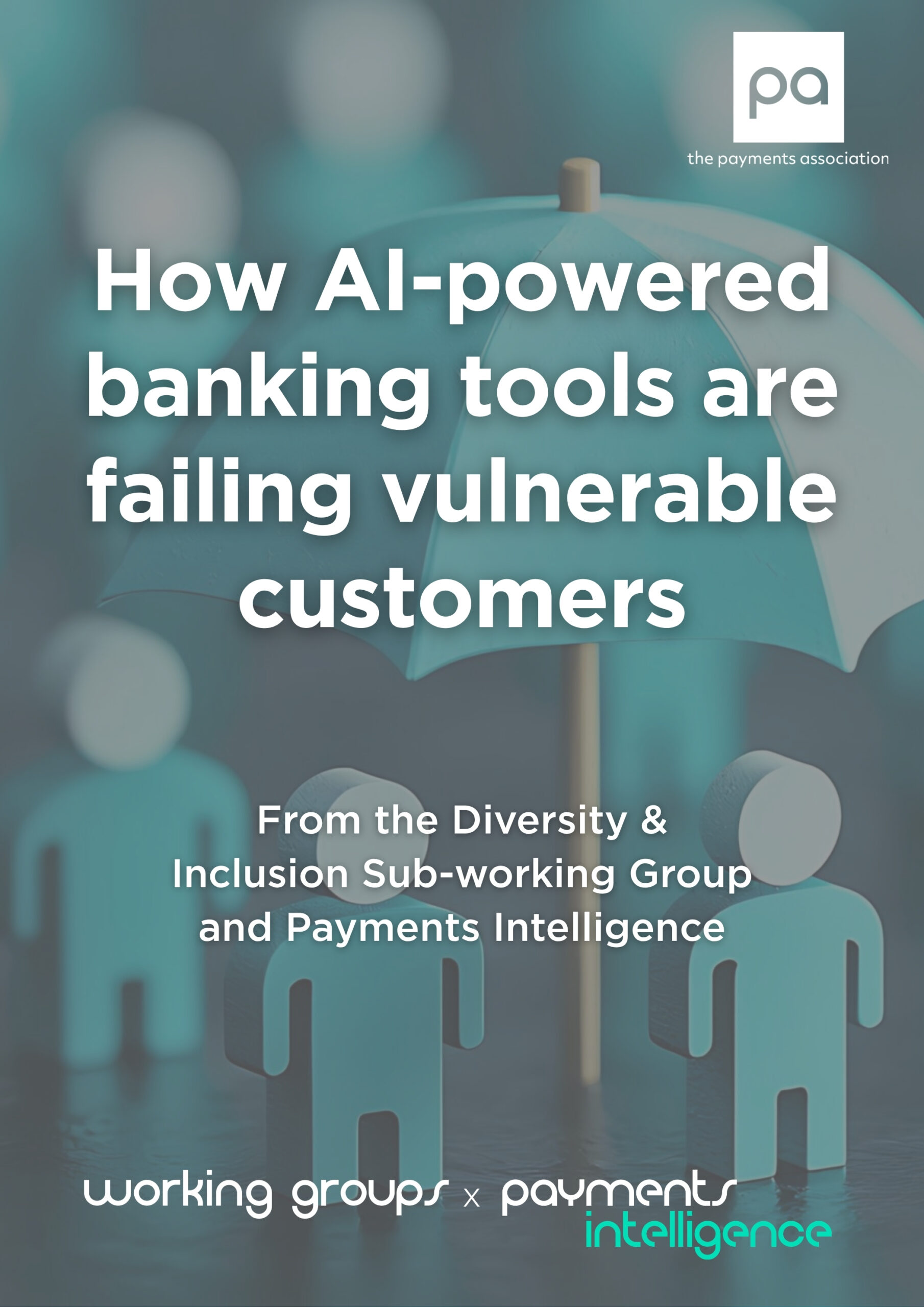
A new report by The Payments Association’s Diversity & Inclusion Sub-working Group and Payments Intelligence has revealed widening gaps in provision and support for customers who meet one of the FCA’s four vulnerability pillars.
A survey commissioned by the sub-group found:
Vulnerable customers are adopting AI-powered banking and payments tools faster than non-vulnerable counterparts, yet fewer of them feel these tools are making payment journeys easier.
Only 51% of vulnerable customers feel banking and payments providers understand their needs well.
Vulnerable customers are three times more likely than non-vulnerable customers to have run into complications with AI-powered tools while attempting a banking or payment task.
With the Consumer Duty expecting AI to deliver fair value and avoid foreseeable harm, what should payments firms be doing to ensure they’re building a good experience for all customers?
The adoption of AI-powered tools in payments and banking is accelerating, but are we at risk of leaving vulnerable customers behind?
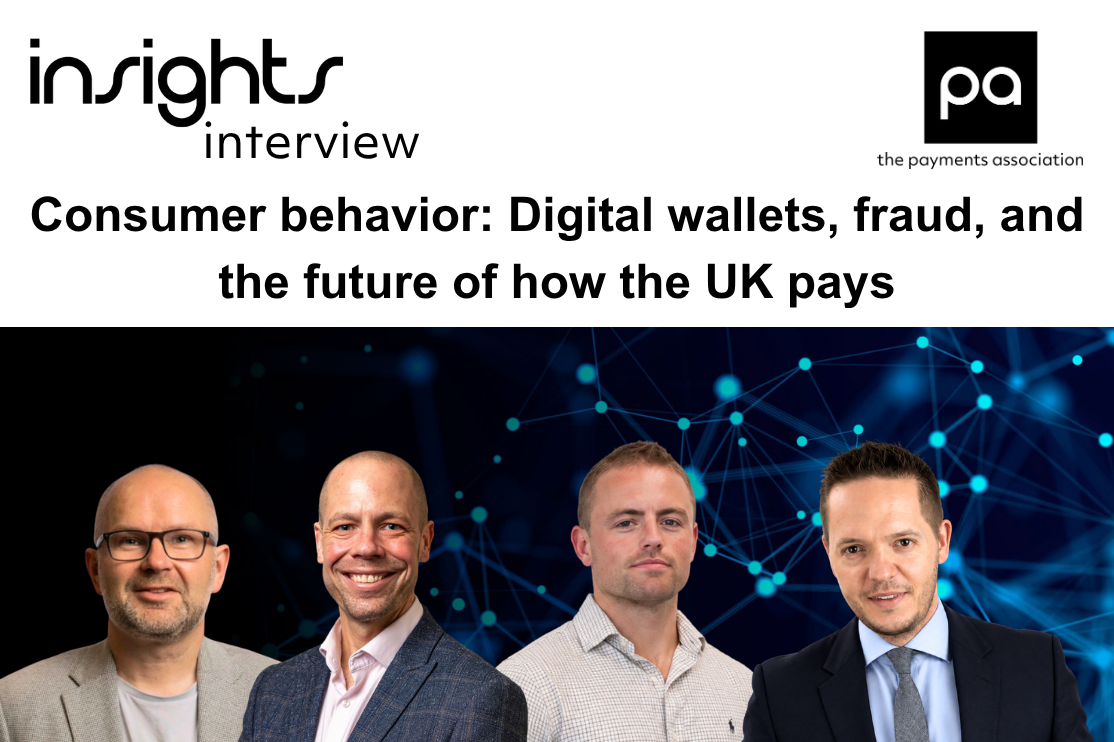
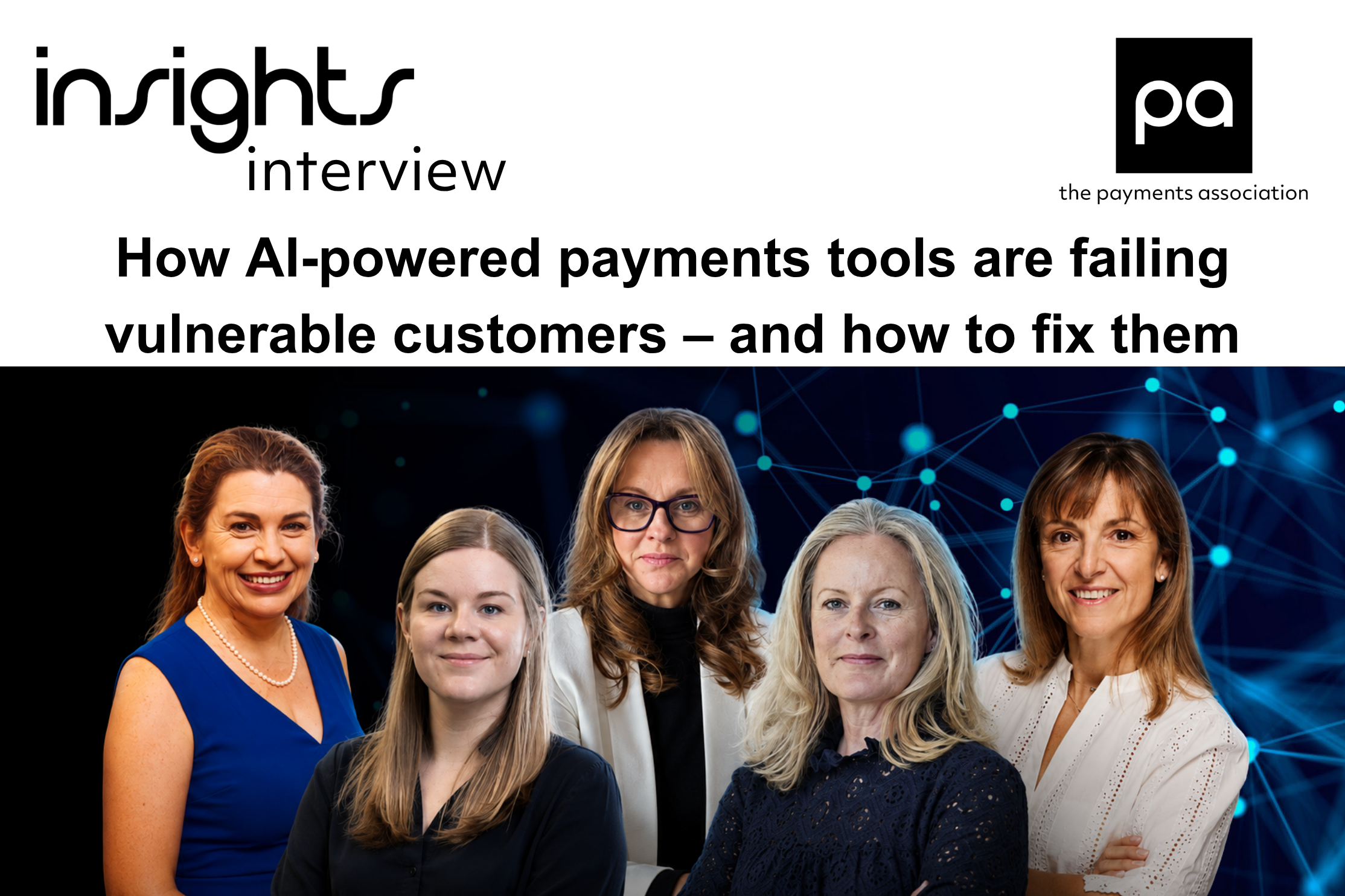
Join Kerry Berchem, Financial Services Lawyer at Burges Salmon, Emily Carlson, Digital Accessibility Lead at KPMG, Joanne Dewar, Co-founder & Lead of Project Nemo, Miranda McLean, Chief Marketing Officer at Ecommpay, and Cressida Stephenson, Founder of EdenChase Associates, as they discuss the findings of the Diversity & Inclusion Sub-working Group’s report.
In this interview, they examine current gaps in provision and discuss how payments businesses can design more inclusive and accessible products.
Discover how best to prepare your business as climate risk transitions from voluntary disclosure to core prudential supervision.
Regulatory shifts in the UK and Europe mean sustainability is no longer a nice-to-have for payments firms, but a necessity — from new reporting standards, to enhanced supply chain due diligence, to the regulation of ESG rating providers. While compliance considerations are key, effective monitoring can also lend a competitive advantage.
Produced collaboratively by The Payments Association’s ESG Working Group and Payments Intelligence, this report maps immediate and near-term ESG regulatory deadlines affecting payments and financial services firms through 2026.
It harnesses the collective insight and expertise of ESG Working Group members to provide actionable guidance on compliance obligations across UK and EU jurisdictions, making it a must-read resource for those wanting to stay ahead of the sustainability curve.
How do good ESG practices lend businesses a commercial advantage? We asked members of The Payments Association’s ESG Working Group to outline the benefits of investing in sustainability, from regulatory compliance to revenue generation.
The Payments Association’s working groups comprise industry experts from across the payments chain, who share the mission of driving industry change to shape the future payments landscape and improve the industry on behalf of members of the association.
Being a member of one of The Payments Association’s working groups comes with a host of benefits:
In addition, committee members will receive:
All working group members are representatives of organisations with The Payments Association membership.
The group will develop content outputs and produce events that aim to educate the payments sector on the environmental challenges payments firms face, as well as raising awareness of the importance of creating an accessible, inclusive and transparent workplace.

“The ESG Working Group aims to drive meaningful change across the payments industry to improve the environmental, social, and governance aspects of payments. It is a collaborative effort that aims to nurture innovation and environmental responsibility, ensuring sustainability and ethical practices become core to our industry’s future. We aim to develop the tools that help organisations adopt ESG in an educated, low-cost and impactful way.”

























The group developed an ESG Toolkit whose goal is to provide a living and breathing library of helpful resources that support companies in adopting sustainable and progressive strategies.
The toolkit brings together articles, podcasts, videos, reports and whitepapers published by The Payments Association in collaboration with the ESG Working Group.
It also features curated third party resources from trusted sources geared at helping payments businesses on thier ESG journey.
The Payments Association ESG Working Group is currently researching the development of an industry standard framework for measuring the carbon impact of payments transactions.
The vision for a standard framework is driven by the fact that organisations in the Payments space are increasingly concerned with measuring and managing their carbon footprint. While several, mostly large, organisations have already carried out in-house research, SMEs, potentially lacking resource, may have the desire but not the means.
The ESG Working Group believes that it is in the industry’s interest to have a ratified set of guidelines which could facilitate consistency, promote collaboration, and drive sustainable innovation.
The fintech industry has always been forward-thinking, but when it comes to ESG, it’s clear that we are behind.
ESG policies are vital for companies wanting to reduce their carbon footprint and protect the environment. They are also imperative to meet customer needs and achieve any long-term business goals as these issues related to climate change only become more pressing.
The time to act on ESG policies is now, they can no longer wither behind purely short-term and profit-led initiatives.
The ESG Working Group is constantly striving to contribute towards creating materials that promote ESG within the industry. These resources are intended to help you introduce and implement your ESG strategy, with insights from The Payments Association member companies. Together, we can make a difference.
In our latest episode of the Insights Podcast, Charlie Bronks, Crown Agents Bank, and Karine Martinez, Edenred, talk successful ESG policies, greenwashing and what effective green action really means.
Previously, Tony Craddock sat down with Steve Round, chair of the Ecology Building Society and co-founder of SaaScada, who delved into how integrating ESG factors can redefine the financial services industry. He discussed the unique challenges and opportunities facing legacy banks and fintechs in making genuinely inclusive financial products that cater to all income levels.