Analysis: Why digital wallets are strengthening card rails
Digital wallets are capturing the customer relationship while reinforcing card rails, as A2A payments emerge as the more credible route to disruption.
Digital wallets are capturing the customer relationship while reinforcing card rails, as A2A payments emerge as the more credible route to disruption.

TPA’s H2 2026 Merchant Regulation Roadmap explains the UK, EU and US regulatory developments shaping cost of acceptance, checkout and liability for merchants over the coming years.
TPA’s FC360: UK Financial Crime Pressures 2026 sets out what 100 senior UK financial crime leaders say about the risks outrunning them, where AI-enabled fraud is opening the widest response gap, and where the industry is investing next.

TPA’s Q3 UK Payments Regulation Roadmap explains the key UK and international regulatory developments affecting payment firms over the coming years.

New research uncovers the payment habits, preferences and priorities shaping the future of payments in the UK.
New research uncovers the payment habits, preferences and priorities shaping the future of payments in the UK.

New research shows vulnerable customers are strong adopters of AI and digital banking, but are far more likely to experience failed payment journeys and poorer outcomes.

A forward-looking overview of key regulatory developments across payments, crypto and financial services, with timelines and practical implications.

Insights from 7,595 PAY360 delegates and 115 MT360 merchants on payments challenges, priorities and opportunities shaping the industry in 2026.

AI is everywhere in financial crime, but weak governance and low autonomy leave firms exposed to rising regulatory, financial and operational risk.

UK payments regulation has shifted from EU alignment to a domestic framework focused on fraud, consumer protection, competition and stablecoins.

A practical guide to H1 2026 merchant payment reforms, mapping regulatory change, legal risk and the actions required to stay compliant and competitive.

Open banking is growing steadily, but trust, commercial viability and regulation will determine whether it reaches mainstream scale.

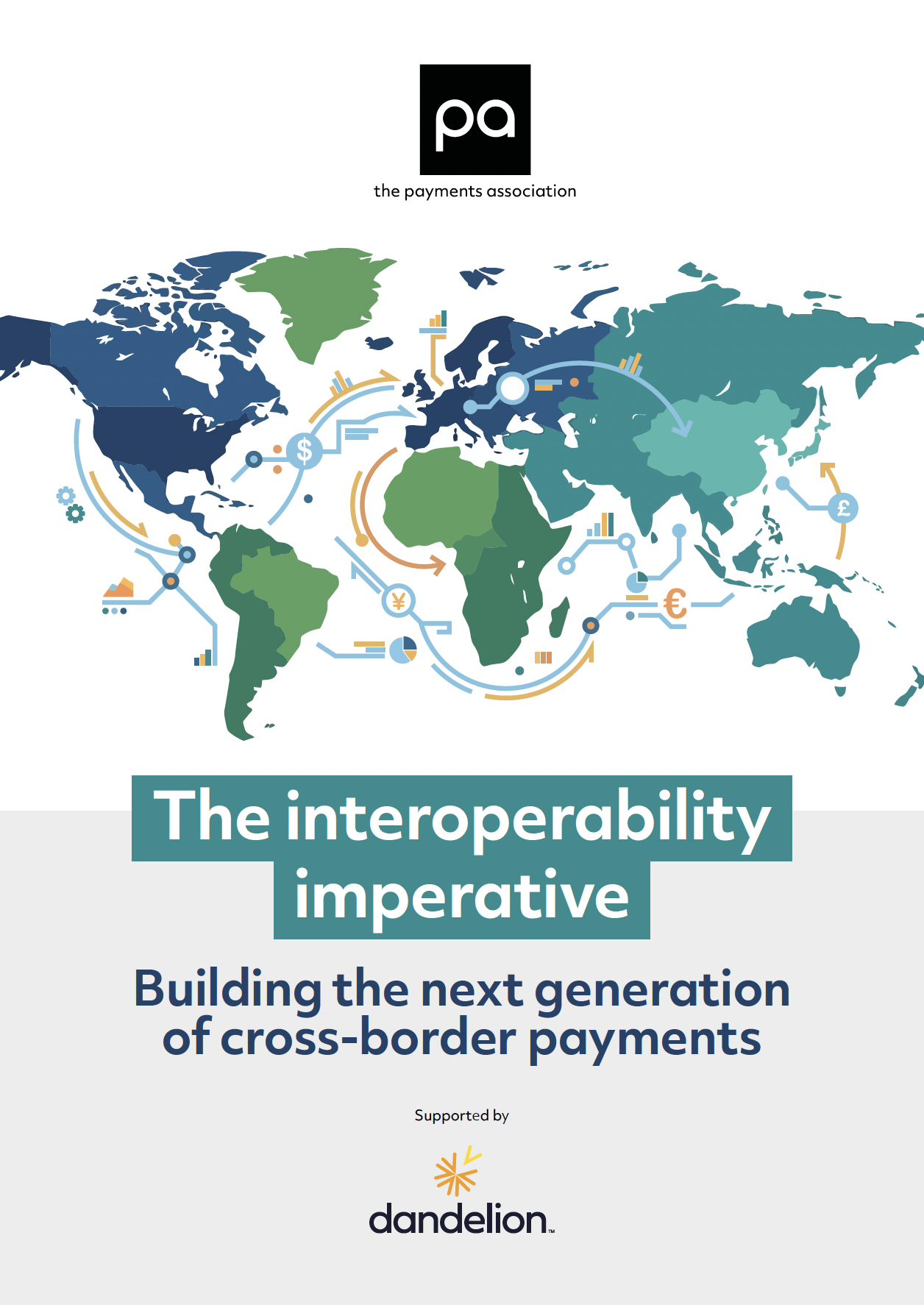
Despite rapid innovation, cross-border payments remain costly and complex, as banks, platforms, and policymakers pursue faster, more transparent global flows.

UK payments and crypto rules shift from design to delivery in Q1 2026, with tougher safeguarding, stablecoin proposals, and FCA consultations driving action.

A data-led analysis of the key trends shaping payments in 2025, offering clear insight into market shifts, technology adoption, and emerging priorities.

UK fintechs face rising costs, regulatory pressure and shrinking incentives. Clear priorities on stablecoins, open banking and investment rules are needed to restore momentum.

New FCA proposals to remove contactless limits could transform payments authentication, with major implications for PSPs, banks, and merchants.

Regulatory alignment and lighter-touch US rules are opening new routes for cross-border investment and shaping the future of UK-US payments.

New global stablecoin rules are accelerating adoption, shaping demand for US debt, and pressuring the UK to finalise its own framework to stay competitive.

New research from The Payments Association shows confidence in regulation is split, while payments leaders increasingly view AI as the key to tackling financial crime.
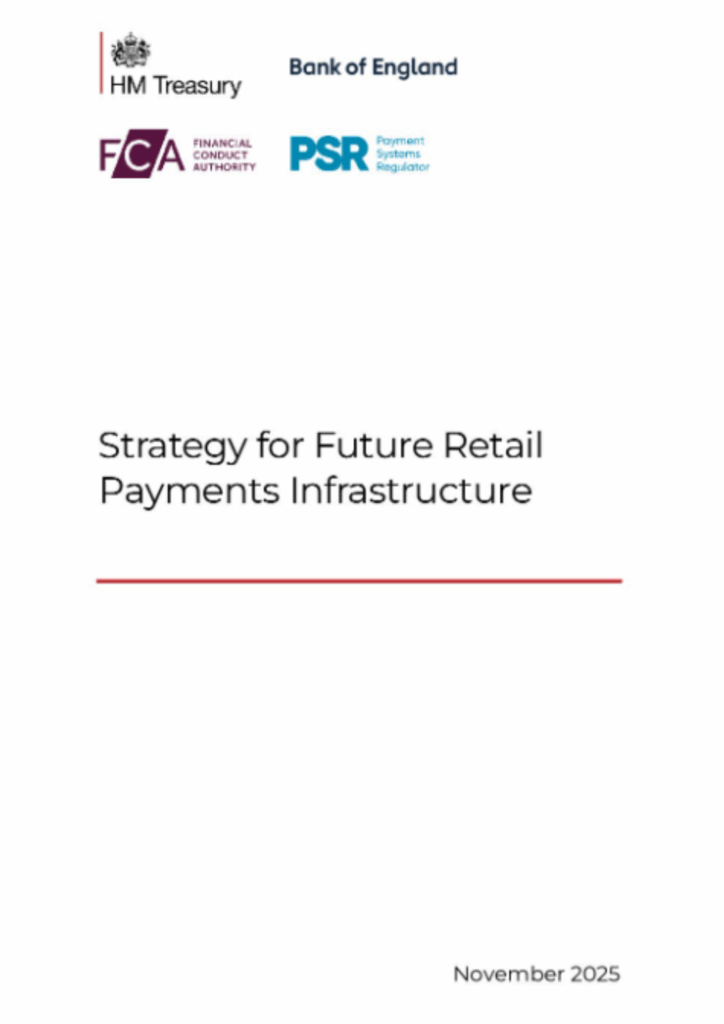
The Payments Vision Delivery Committee met to consider its Strategy for Retail Payments Infrastructure and the Payments Forward Plan recently. 1. Strategy for Retail Payments Infrastructure The strategy document has since

UK merchants face their most complex regulatory phase in a decade, with new enforcement powers, fraud rules, and payment reforms reshaping strategy.

In July 2025, HM Treasury announced two developments that will reshape the governance and delivery of our retail payments infrastructure, namely the new Retail Payments Infrastructure Board (RPIB), established by the Bank of England

The FCA’s new safeguarding regime introduces daily reconciliations, monthly reporting, and stricter audit rules for payments firms, taking effect from May 2026.

Exploring how UK businesses can use optimisation or orchestration to improve authorisation rates, reduce costs, and boost revenue.

Account-to-account payments are poised to redefine the UK’s payments landscape, but success hinges on trust, usability, and rapid open banking adoption.

The Q4 roadmap sets out upcoming changes to safeguarding, instant payments, open banking and crypto regulation across payments

Private settlement networks promise speed and efficiency, but can payments leaders safely embrace innovation without sacrificing transparency and regulatory oversight?

Private settlement networks promise speed and efficiency, but can payments leaders safely embrace innovation without sacrificing transparency and regulatory oversight?

Private settlement networks promise speed and efficiency, but can payments leaders safely embrace innovation without sacrificing transparency and regulatory oversight?

Money mule networks have industrialised into ‘mule-as-a-service’, laundering £10bn a year. Adaptive AI and intelligence sharing are key to defence.

As regulators and customers demand to know not just if fraud detection works but how it works, explainable AI is becoming a competitive necessity in the payments industry.

Embedded payments increase fraud risk when UX trumps controls. Regulators demand dynamic, explainable compliance designed into customer journeys.

Synthetic identity fraud surged 60% in 2024, fuelled
by AI deepfakes and regulatory gaps. UK firms
must adopt real-time, risk-based defences.

UK payment systems face escalating cyber threats, from ransomware to nation-state attacks, demanding stronger resilience, intelligence sharing, and regulation.

Stablecoins are moving from niche crypto tools to regulated financial instruments, with new global rules reshaping trust and adoption.

Global adoption of open banking is uneven. Regulation, standards and governance will determine whether it scales or fragments

BNPL has settled at 5% of global e-commerce spend, but payments leaders must act now — balancing growth vectors with rising regulatory and credit risks

As payment complexity rises, UK firms are embracing orchestration platforms to cut false declines, boost revenue and scale globally.

Cross-border payments are transforming, driven by instant rails, stablecoins, and CBDCs, but interoperability remains the key challenge.

Payment institutions face mounting AML/CFT risks as fraud, cybercrime, and regulatory scrutiny reshape Europe’s financial landscape.

AI is transforming fraud detection, but false positives and opaque models risk eroding trust. Firms must embed explainability to stay compliant

The 2025 State of the Industry survey reveals rising cyber risks, shifting priorities, and strong investment in payments innovation.

UK merchants face their most complex regulatory phase in a decade, with new enforcement powers, fraud rules, and payment reforms reshaping strategy.
Q3’s updated UK NRA reclassifies EMIs as high risk for ML and TF, prompting debate across the sector on compliance, innovation and proportionality.

Payments regulation roadmap Q3 2025 UK and Europe highlights key compliance updates including SEPA Instant FCA safeguarding crypto rules and horizon scan.

Explore 2025 financial crime trends, AI-driven fraud risks, regulatory challenges, and evolving prevention strategies shaping the payments industry.