How the UK is shooting itself in the foot over crypto
In recent years, the UK has been keen on positioning itself as a global crypto asset hub, however it’s currently facing critical obstacles which are hindering its effort.
In recent years, the UK has been keen on positioning itself as a global crypto asset hub, however it’s currently facing critical obstacles which are hindering its effort.

While there is efforts by the BRICS countries to reduce their dependency on the US dollar as the global reserve, experts cast doubt whether the process of de-dollarisation could actually be help ease payment friction.

Christien Ackroyd explains how the ethical grade concept works, covering best practices, benefits, and which banks are getting it right.

As the UK continues to try and place itself as a leader in the payments industry and fintech, maintaining a degree of pace, security and efficiency must remain a priority.

In Britain, 13 years of Conservative government will come to an end. The US will face its most divisive, and potentially destabilising presidential election in decades. Markets will find out whether central banks have managed to control inflation and normalise interest rates, or whether a replay of the monetary turmoil of the 1970s and 1980s is on the horizon.

The UK holds a strong position in the rapidly developing fintech and digital payments world, but experts are divided over whether this will lead to a major breakthrough next year.

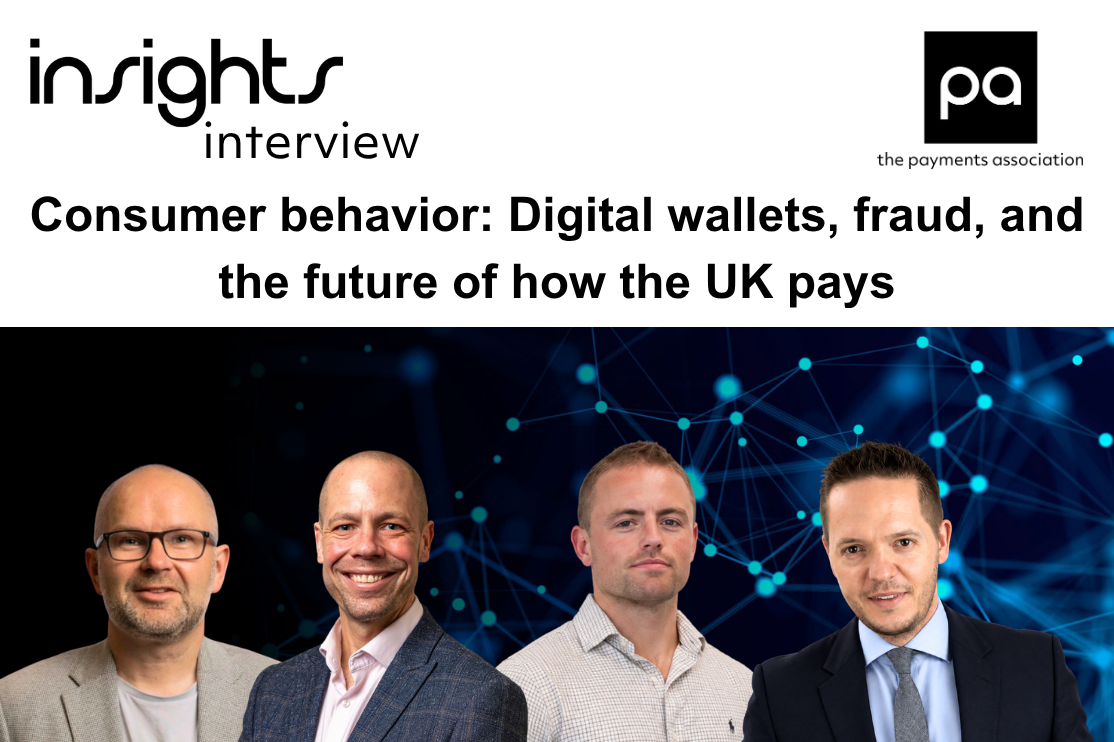
Authorised push payment (APP) fraud has been steadily climbing the charts of global payment frauds with nearly £240m lost to UK consumers and businesses in the first six months of 2023.

Born in New Zealand, trained lawyer Cheyenne Datuin speaks to Payments Review about how she got into the payments industry and why London is an attractive city for working in fintech.

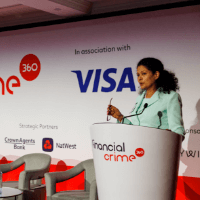
The Payments Association’s annual Financial Crime 360 conference took place at the Royal Lancaster Hotel in London on Tuesday, 21 November. Hundreds of industry professionals from across the payments industry heard from some of the sector’s most important voices on the ever-present issue of financial crime and its solutions.

It’s not easy being green, especially when environmental, social and governance (ESG) obligations are mounting amid an uncertain economic picture. But businesses can no longer ignore the voices of consumers worldwide who are demanding immediate and impactful climate actions – and this is where fintechs have a vital role to play.

Monica Eaton explores how augmented reality is used in the marketplace and what impact it might have on the payments industry.
This article was originally published by leading bank orchestration platform Numeral and recently featured in the Payments:Unpacked newsletter from Mike Chambers – subscribe for free at: www.payments-unpacked.com.

FIS senior sales executive Julien Farley discusses why he believes that the payment industry should adopt a more open-minded approach to the different payment methods that are used worldwide.

Chargebacks are a pain point for merchants which can sap revenue, cause reputational damage and in extreme cases lead to the loss of processing privilege. Yet their existence underpins consumers’ confidence in using their cards, providing recourse against fraud and unscrupulous sellers.

With uncertainty over the future of regulating BNPL products, Payments Review examined the current status, the impact of any legislation and what protection three of the UK’s largest providers have in place.
With the recent release of the Bank of England’s consultation paper on its roadmap for real-time gross settlement service beyond 2024, Payments Review examines the potential new features in store and the challenges in implementing them.

It will make millions of us redundant. It will turn whole industries upside down. It might even lead to the obliteration of humanity, and its replacement with something smarter and more civilised.
After an embarrassing scandal which saw Coutts CEO Peter Flavel and NatWest boss Alison Rose both leave their positions over the closure of Nigel Farage’s bank account, the UK banking sector may now be forced to react.

Companies spend £125 billion each year enabling people to pay and get paid securely, quickly and conveniently. The UK’s payment sector employs over 100,000 people from more than 500 companies.

From working in different countries to tackling the sector’s diversity problem, Sundeep Kaur, regional leader for global financial services at AWS, speaks to Jyoti Rambhai about the trends and challenges in payments.

The current economic climate is making first-party fraud – also known as friendly fraud – more appealing to those struggling financially. Sarah Jordan and Stephanie Kattah examine the challenges facing

Answer Pay’s Peter Cornforth examines the significance of Request to Pay alongside CoP, highlighting their combined role in meeting regulatory demands and fortifying payment security.

Delivering excellent customer support can be a significant differentiator for fintech companies. In the digital age, where customers are expecting instant and effective support, a great customer experience can set

Chargebacks911’s Monica Eaton examines five ways how businesses can utilise bots and new technology to drive sales online.

Artificial intelligence (AI) has already had a transformative affect on the payments industry, particularly in bolstering antifraud efforts. Next in bosses’ sights are initiatives enhancing their customers’ experience.

How the sector can empower consumers to choose eco-friendly payment options

It started with Silicon Valley Bank (SVB), crossed the Atlantic for the final downfall of Credit Suisse, and then switched back to California with the demise of Federal Republic.

Embedded finance is changing the face of the fintech and payments industries, with transactions projected to exceed US$7 trillion by 2026, but the real winners will be small businesses.

With over 20 years in the payments sector, Jonny Griffith, head of partnerships at BVNK, speaks to Jyoti Rambhai about his experience and the challenges facing the industry.

Other UK banks also reporting higher than expected pre-tax profits for Q1 2023

Financial institutions must collaborate and see the bigger picture to prevent fraudsters taking advantage of the fragmented payments sector.

Charles Radclyffe explores why technology might not be the universal force for good it has always assumed to be and why the sector should be thinking about technology governance to mitigate and manage potential harms.
With the rapid pace of innovation in the cryptoasset ecosystem, Ricardo Tordera discusses why regulation is now more paramount than ever and not just in the UK.

Open finance provider Salt Edge delves into the challenges facing the iGaming sector and how technology could help improve customer experience, increase security and bring in new revenue streams.
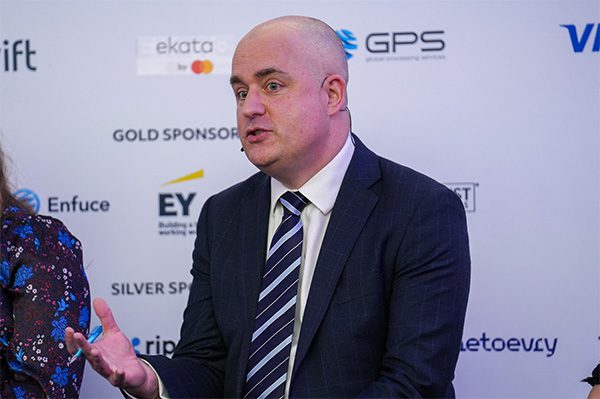
Chris Hemsley, managing director of the Payment Services Regulator (PSR), says the watchdog’s plan will be published by the end of June 2023.

The Payments Association’s Tony Craddock sits down with FIS to discuss how the threat of a recession is driving a need for quicker and easier access to cash for organisations.
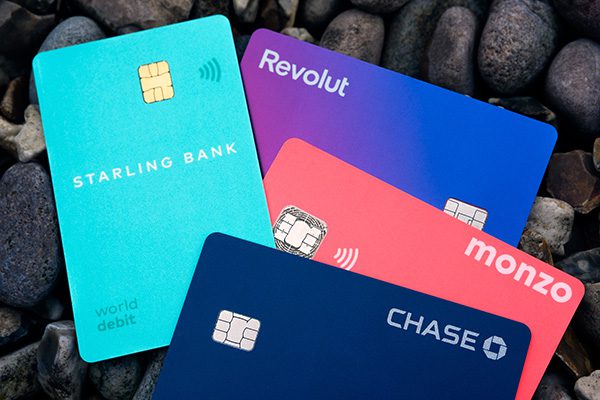
Paymentology’s Martin Heraghty explores how the lending landscape is changing and what this means for consumers.

Peter Harmston and Robert Dean at KPMG UK explore how AI can be adopted to have the biggest benefits for both business and customers.
Nikulipe’s Frank Breuss discusses the correlation between a country’s GDP and its accessibility to digital financial services, which suggests fintechs are key to financial inclusion in emerging markets.

How businesses can accept bitcoin without accepting bitcoin.

Should payment firms be limited in how they reuse data or are the laws based on GDPR sufficient?
Financial columnist Matthew Lynn discusses how digital IDs could open up market competition.

Self-proclaimed payments geek, Dan Baker, head of payment rails product at J.P. Morgan, speaks to The Payments Association’s Kate McKenzie about the evolving payments landscape.

As the regulatory landscape continues to evolve, is innovation at risk in the fintech space?

Luke Cutajar, director of customer success at Ripple, fell into the payments sector 17 years ago after landing a role at American Express when he left university in Brighton. Specialising in foreign exchange services initially, Luke speaks to The Payment Association’s editor Jyoti Rambhai about building his payments career.
The UK’s financial watchdog has warned that e-money firms must undertake a “significant shift in culture and behaviour” if it is to comply with the new Consumer Duty rules, due to come into force in July.
The Payments Association’s Riccardo Tordera and Robert Courtneidge examine what the latest government consultations could mean for the UK payments sector.

With the UK government launching a second phase consultation on the future of cryptoassets, Max Savoie and Martin Dowdall of Sidley Austin examine what this means for firms.