FinTech CEO Tom Cregan of EML Relishes Marching To The Beat Of A Different Drum in 2021
EML CEO Relishes Marching To The Beat Of A Different Drum in 2021.
EML CEO Relishes Marching To The Beat Of A Different Drum in 2021.

The rise in cloud-based technology has paved the way for a whole new industry, fondly known as Software as a Service (SaaS). This global industry has resulted in a number of small businesses ‘accidentally’ importing goods from abroad, which can result in hidden foreign exchange costs.
To read the full article, visit:
https://www.konsentus.com/insights/is_there_a_need_to_standardise_technical_specification_for_open_banking_certificates/
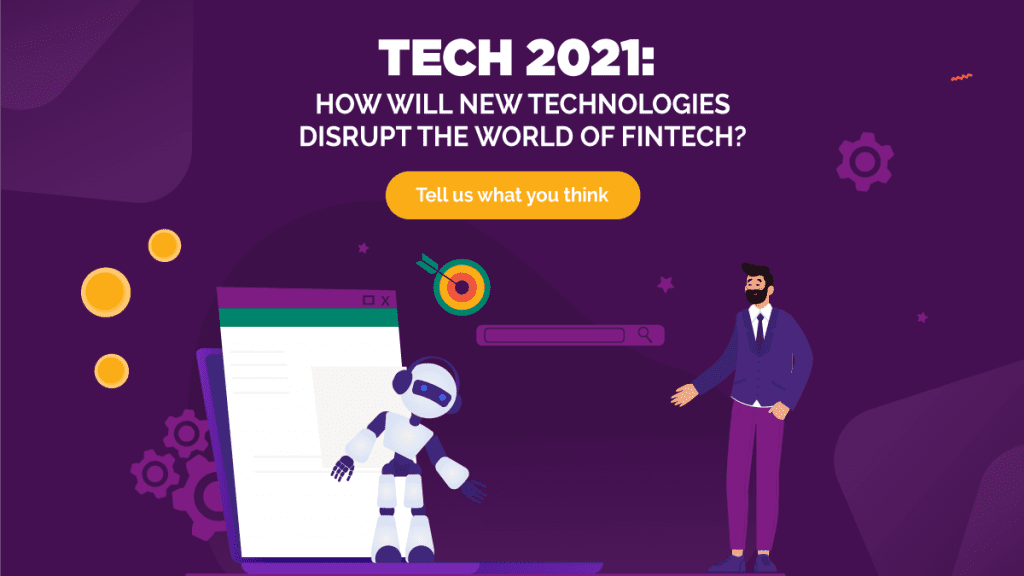
To understand the impact of new technology innovations on fintech, Tribe Payments would like to find out the opinion of leaders within the sector through this this short survey for upcoming industry report

A gift card isn’t just for Christmas, it’s handy for a crisis too: reflecting on the small things making a huge difference
How people make payments have evolved greatly over the years. From cash, we have moved to paper cheques, to credit cards, to the current world of purely digital payment methods
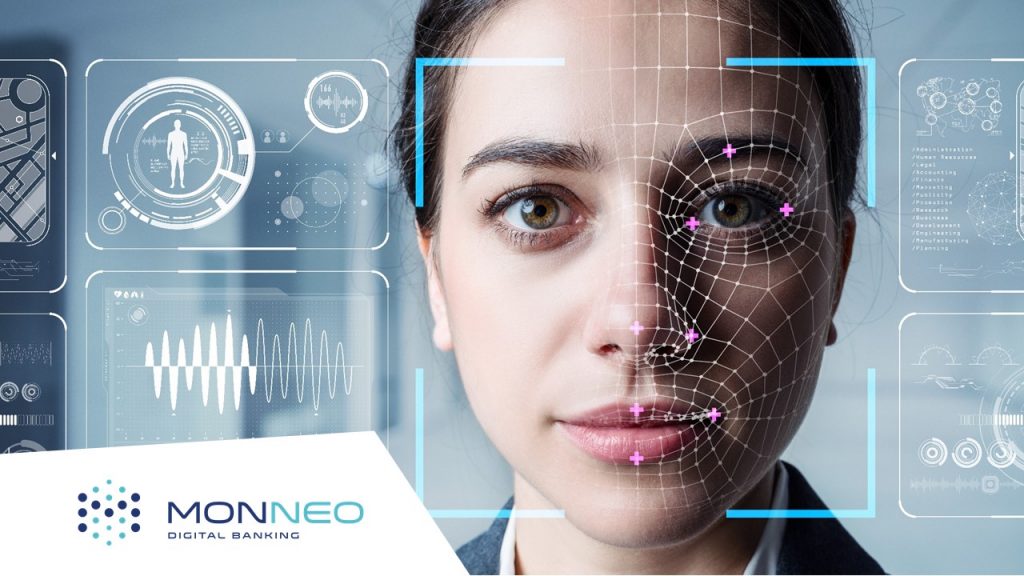
The future of global commerce could be a cashless society, many experts predict, and that puts the burden on financial institutions to make sure their customers’ data is secure and protected.
As digital banking rises to replace the more traditional industry, one phenomenon has arisen hand-in-hand with it and that is the use of biometric technologies.
The rise of digital banking has taken the traditional financial sector by surprise and for many good reasons. From pioneering the art of customer service online to using artificial intelligence to handle many of their operational tasks, digital banking is not just a glimpse of the future of finance. It is a peek into the future of the world of business itself.

The fast-changing world of digital business is one in which staying ahead of the competition is often as much about thinking outside of the box as it is anything else.
But that’s much harder than it might seem at first glance, especially for firms in highly-competitive environments.

– Introduction
– GDPR and behavioral biometrics – what can’t be seen, can’t be stolen
– PSD2: A smarter way of customer authentication
– SCA
– Malware
– Maintaining customer trust and safety

The COVID-19 pandemic is nothing less than an inflection point for the global economy. From this point on, people will discuss business in terms of pre-COVID-19 and post-pandemic, and for good reason.
The global pandemic has initiated changes in the global supply chain that were slowly developing before but that are now becoming more prominent features of the landscape. Not only are companies pulling resources in towards the home base, but also they are recentering their businesses for the digital landscape.

– Introduction
– What happens if a fraudster has already infiltrated a bank’s system and is operating undetected from within?
– Fraudster Hunter’s Policy Manager
– Rule-based fraud prevention campaigns
– Key benefits of Policy Manager

Sometimes it’s the smallest pebbles that make the biggest splash.

How are fintechs using innovation to make our planet more sustainable?
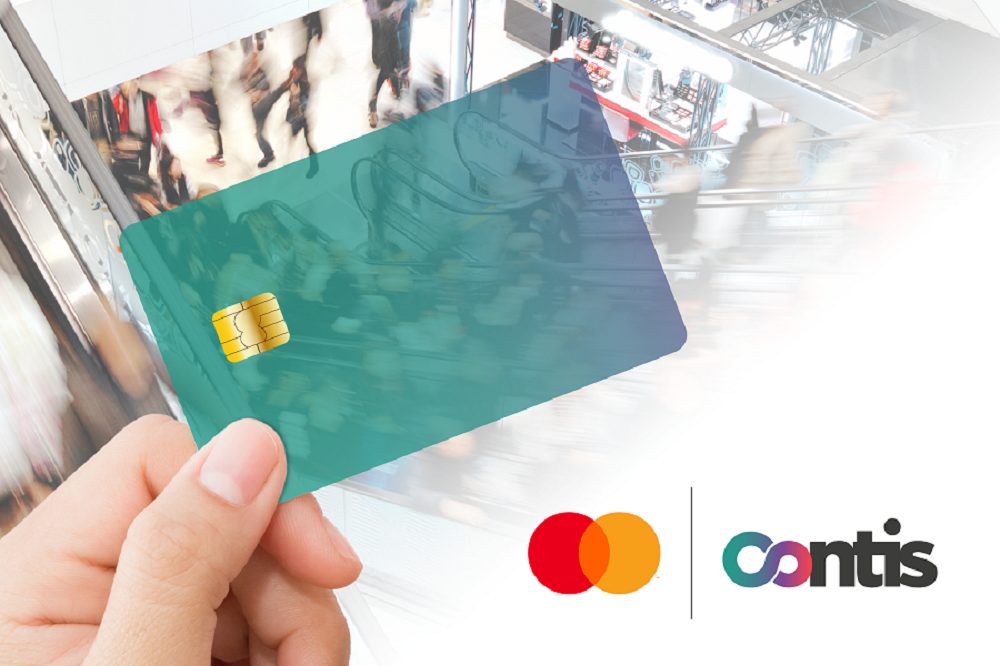
Leading European payments fintech Contis announces its partnership with Mastercard as a principal issuing member.
With the addition of Mastercard, Contis delivers one of the most comprehensive end-to-end Banking-as-a-Service (BaaS) platforms, including direct access to both of the world’s leading payments networks.
Platform integration work is starting immediately, with expected go-live on the Mastercard network by Q2 2021.

Here at Paynetics, we are proud to announce that we have become a member of the The Payments Association. Our membership of the Payments Association is also further recognition of Paynetics as a trusted e-money institution. It’s the next step in our mission to simplify payments and pioneer the role of Europe’s leading regulated enabler to power both established brands and the next generation of fintechs.
For those of you that are fellow Payments Association members, please do get in touch and know that our door is always open.
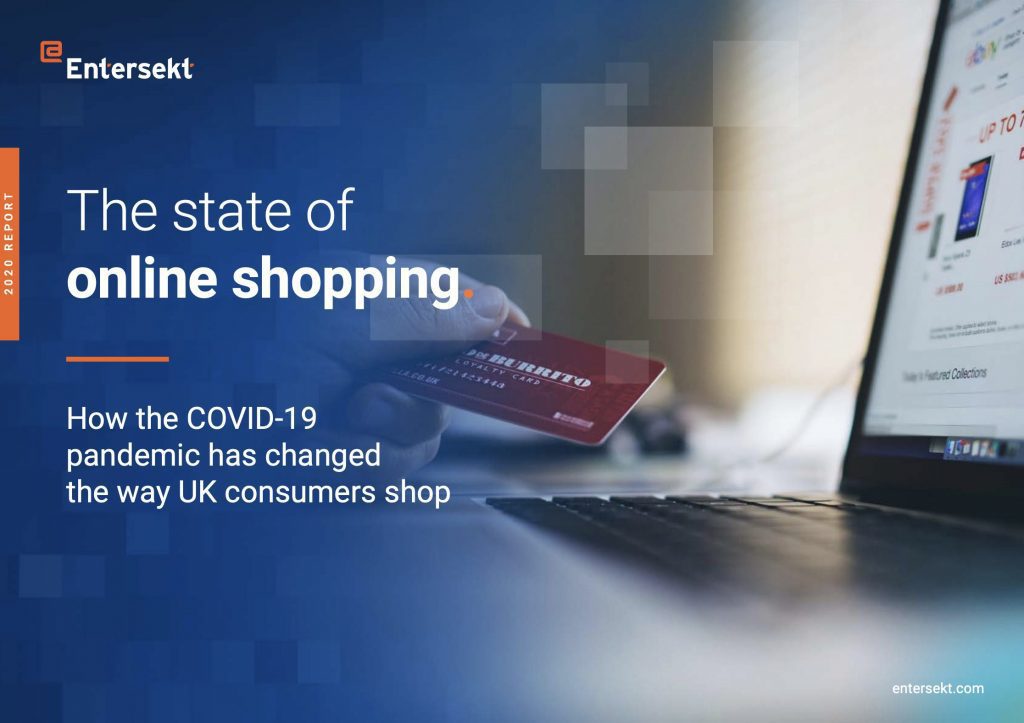
In early November 2020, we commissioned a poll in the UK of 1,000 consumers with the aim of uncovering how the global COVID-19 pandemic had affected consumers’ shopping behavior. This blog post briefly discusses those results. Report available for download.
At Consult Hyperion we always round off the year with some time reflecting on what has been, and kicking off our thinking for what’s ahead. This is our Live 5. Readers over the years will know our Live 5 traditionally takes market insight, coupled with research and conversations with our clients; then we consolidate our thinking and detail four short- to medium-term trends and one that’s perhaps not as obvious, or maybe a little further out. When we reviewed previous years, we’ve been a pretty good weather vane. 2020 has been a year like no other, so our Live 5 is taking a slightly different approach. If 2020 has taught us anything, it is that the best laid plans can be rendered irrelevant by a “black swan” event.

A discussion with Fintech Finance about Kani and Railsbank’s partnership – from automation and innovation to how partnerships are key to the fintech industry as a whole.

This is the time that will define the thinkers, movers, and shakers who will shape the rest of this century
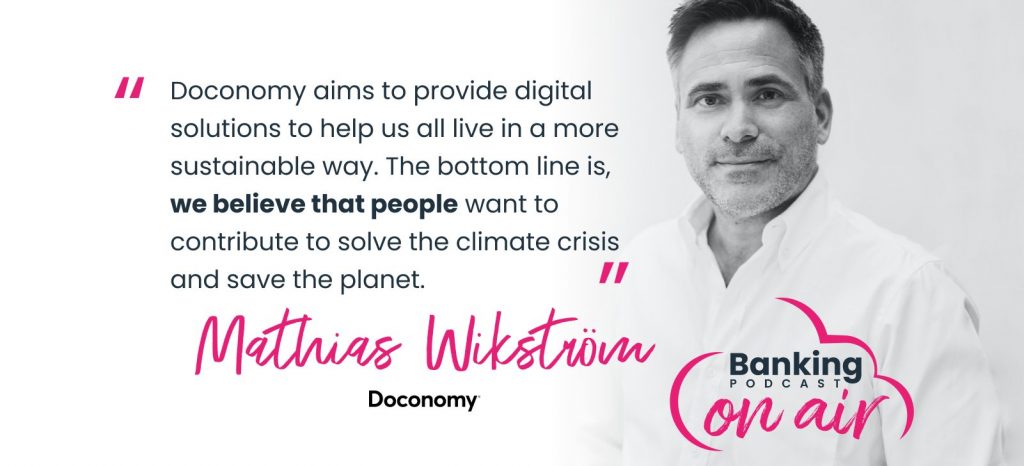
Mathias Wikström, CEO of Doconomy, and Johan Pihl, Doconomy’s founder and Head of Innovation & Founder are two people who share the desire to help our planet. They have a powerful vision: to give both consumers and businesses the digital tools that they need to understand and reduce the environmental impact of their consumption. This led to Doconomy launching the Black Card in 2019 – the first credit card to limit spending not on available credit, but on the levels of CO2 emission caused by the owner’s purchases. How does it work – and what are their next steps?
Have you ever wondered what makes a bank a 21st century bank? A small hint; it isn’t the ginormous rigid and extremely expensive mainframes, it isn’t the systems that have to shut down every night for maintenance, and it definitely isn’t the glued-by-hope hollowed out cores.
The list can go on and on. What a good 21st century bank needs is security, scalability, flexibility, availability, and adaptability. So, where do you get it all, nicely packed and with a bow on top at a low cost?
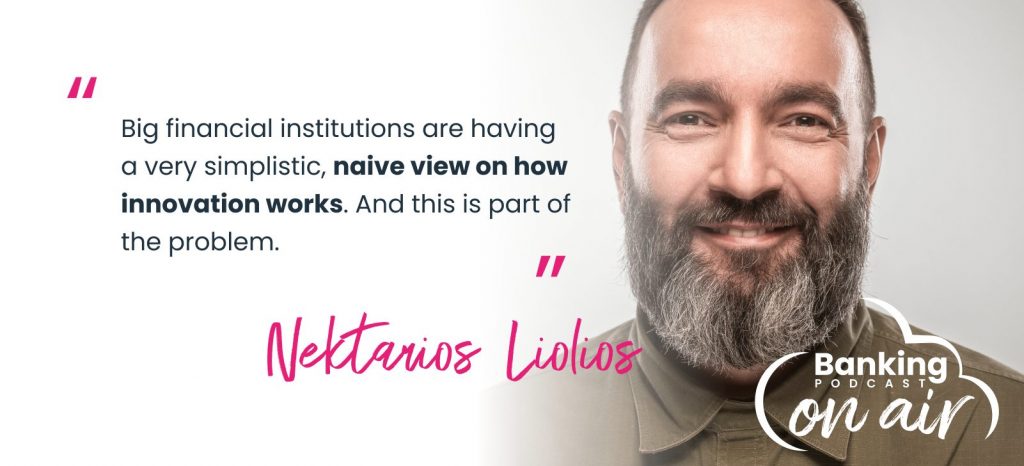
Nektarios Liolios has worked closely with corporates, startups and investors over the last ten years. He set up and led bootcamps, founded competitions for startups, and facilitated cooperations between fintech and financial institutions. How did this all turn out? In all honesty, it was both frustrating and difficult.

Sometimes it’s the smallest pebbles that make the biggest splash. It’s particularly true when it comes to innovation; a simple idea can be the very thing that propels a business into the global arena. But like finding the perfect pebble on a large beach, it sometimes takes another pair of eyes to spot the ideas and features that have the most potential.
For Swedish fintech Doconomy, the collaboration with Vacuumlabs accelerated their journey to making a global impact. We recognized Doconomy’s tremendous potential, and helped it build its most crucial innovation into a world-class product: the 2030 Calculator.
Payment Processing Platforms
At Consult Hyperion we spend a lot of our time looking into payments processing platforms for our clients. Over recent months we’ve delivered;
technical due diligence, assessing their capabilities
security and vulnerability analysis on networks and products
designed fundamental security architectures for new payments solutions
advised clients on the selection of payment platform solutions
and helped design new platforms or extended the capability of their existing platforms

The future of the FinTech industry might have more to do with a person’s individual biology than numbers and chips in the future, multiple reports indicate. Known as biometric technologies, this group of payments innovations remove the old pin systems and chips of old and replace them or augment them with fingerprint scanners and other biometric methods.
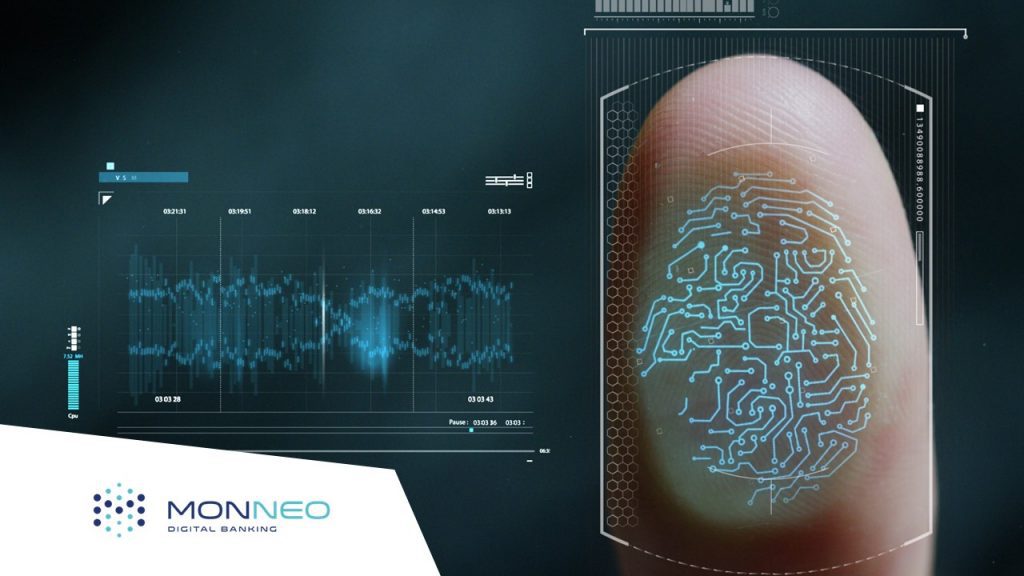
Another revolution is coming for the financial sector and this one could change the way that consumers and businesses conduct themselves forever.

The rise of the Internet and the spread of smartphones is, together, perhaps the single most powerful force of economic change ever at any point in history.
Not only are millions of people getting connected to the wider world for the first time, but also businesses are able to get up and off of the ground with little to no investment in brick-and-mortar, traditional locations. In other words, the digital era is one of opportunity and promise.

Innovation has always been a focus at Visa, yet the impact of the Covid-19 pandemic has forced us – as well as the wider payments ecosystem – to double down on the development of new payment technologies. The pandemic has accelerated what was an already increasing demand for digital payment experiences and it is incumbent on us and our partners to meet this.

Payments provider Contis and Open Banking platform Token partner to deliver new value in digital payments. When complete, Contis’ 250+ clients will be able to use Token’s AISP and PISP functionality to deliver Open Banking services to their end-customers through the Contis Platform.
And Token’s merchant, digital wallet and PSP customers will be able to perform account pay-outs and refunds via the Token platform using established payment rails, such as Faster Payments in the UK, SPayments Association and SPayments Association Instant across the EEA.
Contis migrated its data centres from the US to Europe, in record time and with minimal service interruption. This completes the final hurdle in Contis’ Brexit preparedness and gives clients the comfort of knowing all customer data is securely managed and processed in-region.

– buguroo launches behavioral biometric 3D Secure solution
– The new 3D Secure offering
– The 3D Secure payment authentication system

– What is smishing?
– What happened in Ireland?
– Why is smishing so effective?
– The bank’s responsibility: Raise awareness, prevent fraud
– Using behavioral biometrics to prevent smishing

Fighting environmental issues using fintech? Definitely possible with Doconomy.
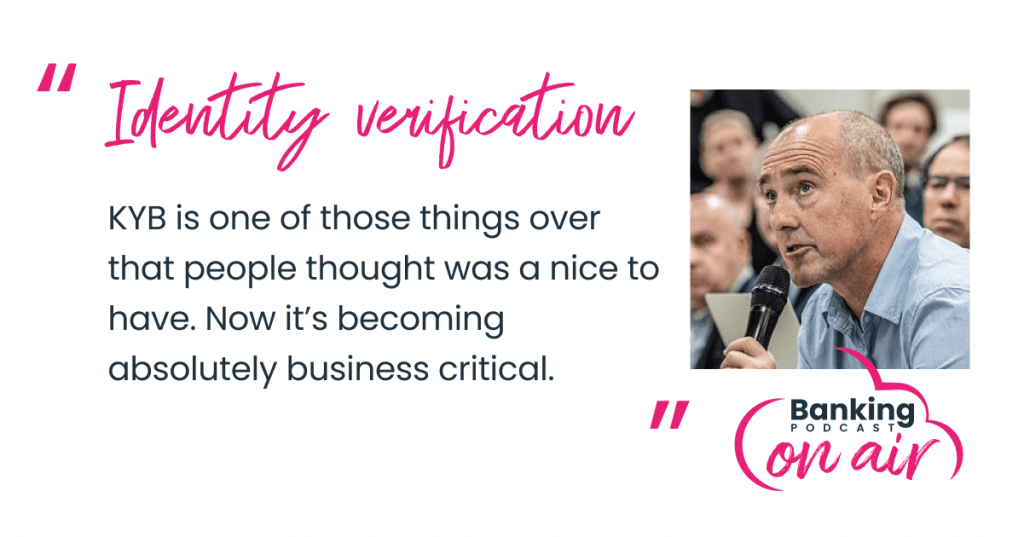
Boom in the fintech industry during 2020 brought an increased need for identity, verification and KYB. And W2 manages to keep the pace!

Payments Association and For Good Causes co-promoting Gift of Giving Christmas campaign with many companies signing up to celebrate Christmas with their staff by helping them support their favourite social and environmental causes
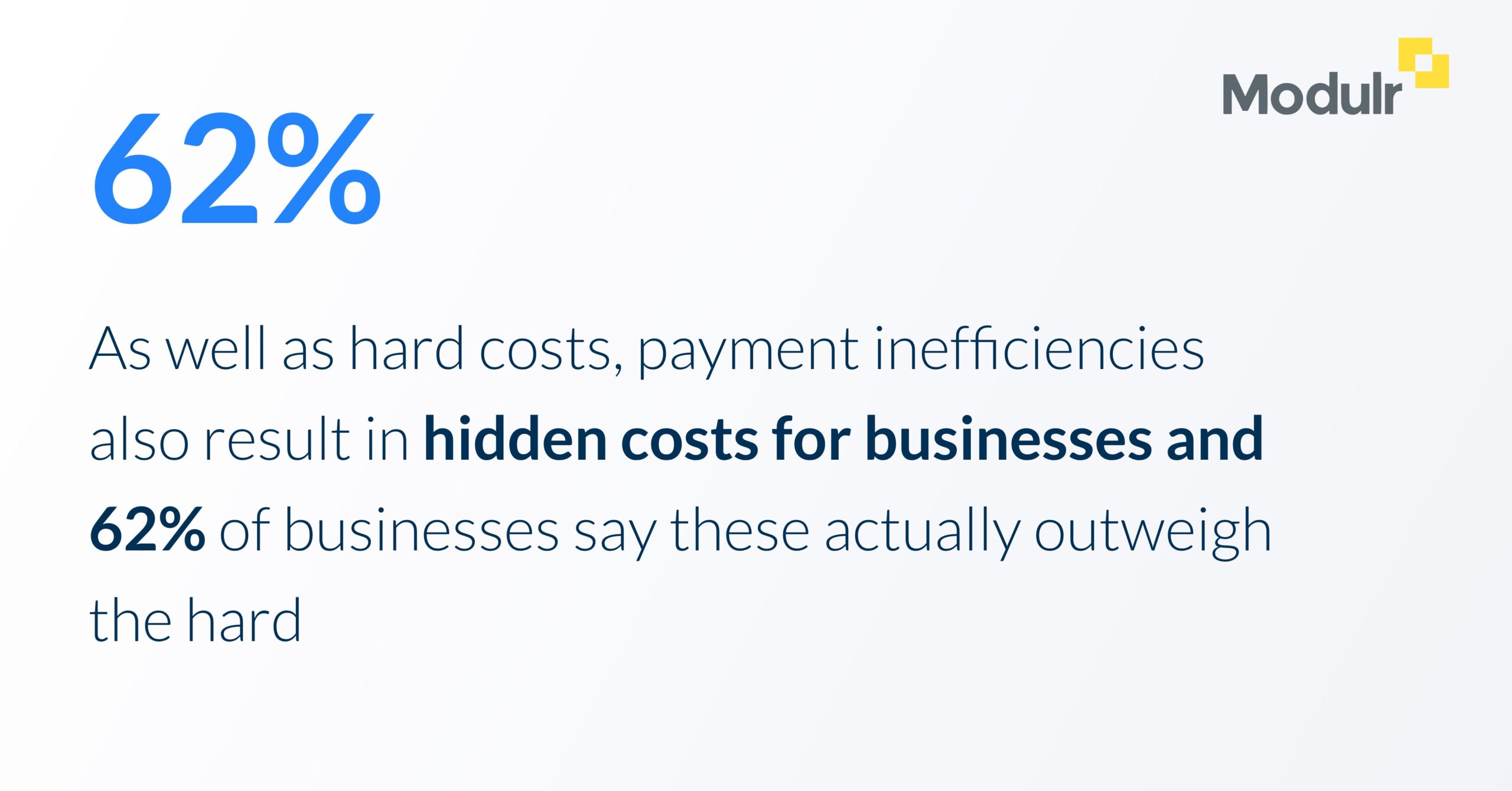
We’ve written a major research report into the true cost of payment inefficiencies, using independent data sourced from over 260 UK business leaders. We explore themes around operational efficiencies, collaboration and ultimately the impact on customer experience.

Changes to EU Regulations governing DCC and the impact on the payments industry

EML’s new FINLAB incubator has invested in Hydrogen.

EML’s new FINLAB incubator has made its first investment in US FinTech disrupter Interchecks.

Early payment discounts: Research from Barclaycard reveals that a Chief Financial Officer’s (CFO’s) leadership style and willingness to invest in their financial and accounting software has a tangible impact on their business’ bottom line.

The London based E-Money solution for global citizens Privat 3 Money (P3) has selected leading anti-money laundering and intelligent compliance software provider Napier, to integrate enhanced transaction monitoring into the core P3 platform.

The adoption of ISO20022 is at the core of a major transformation across the payments industry- find out how Barclays is supporting customers getting ready for it, and the key benefits of the adoption.
Despite having registered over two million users in the UK, Open Banking is still failing to meet its objectives of creating a more competitive retail banking landscape. Moorwand CCO Luc Gueriane and David Monty, Founder of Tell.Money, speak to Bobsguide.

What is the future of authentication? Many solutions have appeared in the past two decades since online sales and payments were born to secure and verify both the ability to make a payment and user’s identity. In this article, ‘Authentication, Privacy and Our Digital Future’, Cybertonica discuss the history of authentication, the ways in which a users personal data is leveraged, and how behavioural biometrics can offer secure, frictionless authentication experiences while maintaining user privacy.
Currencycloud, the leader in providing B2B embedded cross-border solutions, and Tribe Payments, a tech company dedicated to deliver the future of payments technology across the ecosystem, have partnered to deliver complete transparency to foreign exchange costs charged on international card transactions, whilst also giving customers access to multi-currency wallets.

Information gathering
Establish a bond with the victim
Exploit the bond
– It’s hard for us to say “no”
– We are trusting
– We like to be taken into consideration
– We are empathetic

Why do we need continuous authentication?
Current ID checks not stringent enough
What is continuous authentication?
A frictionless user experience
Continuous authentication: dynamic fraud prevention that leaves the user uninterrupted