Not every marketing problem needs a six-month strategy
Blue Train Marketing has launched five focused accelerators to help fintech firms tackle specific challenges across PPC, SEO, AI visibility and content.
Blue Train Marketing has launched five focused accelerators to help fintech firms tackle specific challenges across PPC, SEO, AI visibility and content.

Paysafe has become title partner of Envision Racing, with the pair planning connected Formula E fan experiences spanning gaming, payments and rewards.

Agentic payments may be advancing rapidly, but scalable adoption depends on reconciliation that can prove what agents did, and why.

New Copecto research suggests wooden payment cards could challenge metal in premium banking, combining exclusivity with sustainability.

PEXA and Mastercard are exploring programmable A2A payments to make UK property completions more predictable, efficient and secure.

The FCA’s Mills Review explores how AI and agentic finance could reshape UK retail financial services, regulation and supervision by 2030.

The UK’s digital ID scheme may be gone, but the debate over trusted digital identity, financial inclusion and payments is only just beginning.

ReconArt has integrated its reconciliation platform with Solana, helping firms automate stablecoin and AI-driven payment reconciliation across blockchain and traditional payment rails.
OpenPayd has been named among CNBC’s World’s Top Fintech Companies 2026, recognising its enterprise financial infrastructure for global payments and digital assets.

AI-powered search is reshaping discovery. As buyers turn to tools like ChatGPT, payments firms must rethink visibility beyond search and social. For years, digital advertising has been dominated by two

Worldline explores how AI, instant payments and digital identity are reshaping payments, and why orchestration and collaboration will define the future.

Europe’s payments sector is entering a strategic shift shaped by AI, digital assets, interoperability, and payment sovereignty.

ComplyAdvantage has launched AI-native payment screening tools to improve sanctions detection, speed, and compliance efficiency.

UK merchants expect agentic commerce to grow rapidly, but uncertainty around liability, fraud, and standards is slowing readiness.

For SMEs, cash remains essential for resilience, liquidity, and inclusivity as digital payments still bring costs, delays, and dependency risks.

Digital wallets, open banking, and instant payments are reshaping competition as banks fight to retain customer ownership and engagement.
Dialect and RTGS.global partner to deliver 24/7 customer support for real-time cross-border settlement, enhancing reliability and client experience globally.
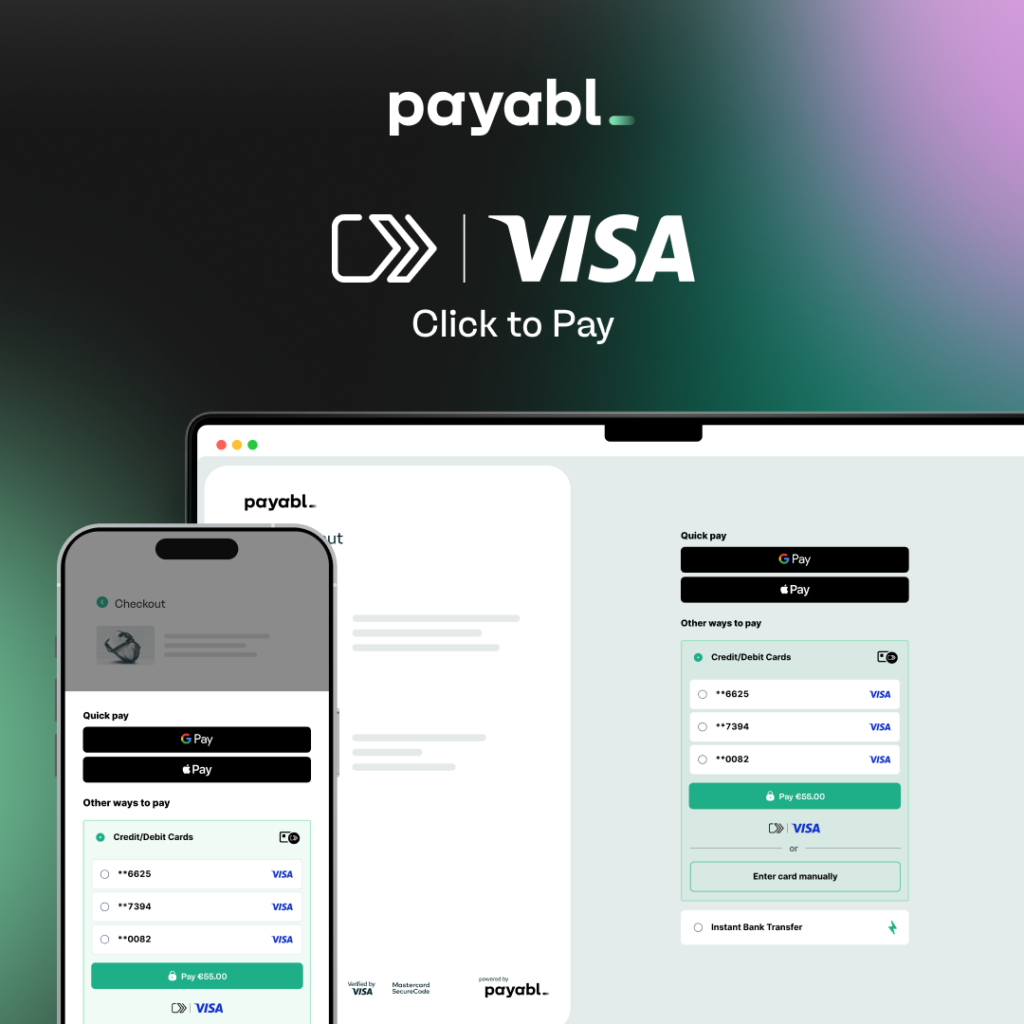
payabl. launches Click to Pay with Visa, enabling faster, tokenised checkout that boosts approvals, reduces fraud, and cuts friction across online payments.

Stablecoins are moving into mainstream finance, reshaping payments, trade, and regulation as institutions explore faster, programmable settlement.
Dialect launches MultiVox, an AI-powered voice solution delivering real-time multilingual support in 85+ languages to help payments firms scale globally.

Poland is emerging as a credit innovation hub, shifting from product-led lending to real-time, embedded credit driven by digital behaviour and transaction data.

Paysecure is partnering with Nucleus365 to white-label its AI-driven orchestration platform, giving merchants a single, scalable layer for smarter routing, higher acceptance, and more resilient cross-border payments.
Global leaders are using partnerships to accelerate payments modernisation, drive innovation, and meet rising customer expectations across banking and retail.

UK and EU payments regulation is entering a decisive phase, with reforms on fraud, safeguarding, open banking and instant payments reshaping the sector.

The Payments Forward Plan sets out 2026 priorities across regulation, stablecoins, open banking and digital ID, driving UK payments modernisation and innovation.
Mobility payments are widely adopted, but disruption, security concerns, and inconsistent experiences show seamless, trusted unattended payments are still lacking.

Banks face a growing talent crisis as legacy system experts retire and younger engineers reject outdated tech, making core modernisation a workforce priority.

The launch of The Payments Manifesto 2026 at the House of Commons has signalled a unified industry push to position the UK as a global payments powerhouse, with financial inclusion

TransferMate has completed a global rollout of Vivox AI’s explainable KYB automation platform to scale onboarding and due diligence while maintaining regulatory compliance.

Autorek’s 2026 report explores the payments ‘Great Paradox’, as firms pursue real-time innovation while still constrained by manual processes and fragmented data.

A balanced assessment of Europe’s payments market highlights continued growth alongside rising fraud, cost pressures, regulatory complexity, and strategic uncertainty.
A new Bottomline report highlights “Payment Pioneers” leading in real-time payments, ISO 20022 readiness, and verification tools to improve efficiency and trust.

A webinar outlining how PSPs in non-EU SEPA countries can prepare for mandatory Verification of Payee, addressing regulatory, technical, and customer experience challenges.

Designing a future-ready payment hub means building modular, interoperable systems that integrate AI, digital currencies, smart contracts and scalable infrastructure to support new payment models.

Torus highlights three overlooked realities about payments profitability, showing why transaction-level analytics is becoming essential for sustainable growth.

Payments profitability now depends on transaction-level visibility. Blended pricing hides losses, and analytics, not regulation, is the real lever for control.

SMEs want simplicity, not more tools. This webinar explores how SaaS and fintechs can embed payments, accounts and tax to meet real B2B needs.

New data shows UK card payments remain dominant, with debit growth, digital wallet reliance, and limited open banking adoption shaping issuer strategies.

UK payments in 2026 will balance smarter digital wallets, AI-led commerce, VRPs and sustainability with resilience, cash access, regulation and trust.

Fraud is shifting to AI-driven, cross-industry threats, forcing banks and payments firms to adopt collaborative defence, explainable AI and shared intelligence models.

Snappi illustrates a new phase of European digital banking, combining cloud-first infrastructure, regulatory approval and insight to support real-time services.

2026 marks the shift from experimentation to mainstream digital asset use, with regulation, interoperability, and tokenisation shaping how DLT embeds into finance.

Equals Money | Railsr has partnered with Okta to secure AI-driven payments, using identity governance and behavioural controls to balance innovation and risk.

Agentic AI promises seamless automated payments and hyper-personalised retail, but growth depends on new trust, fraud models and rules for autonomous agents.
A Spotify Wrapped-style view of personal finances could help users visualise spending, reduce stress, and make smarter money decisions.

Banks are eager to adopt AI, but payment network compliance is too complex and risky for generic models. Purpose-built solutions avoid data, context and validation pitfalls.

Visa has completed the first UK cVRP using Visa A2A, introducing a modern, protected alternative to Direct Debit and paving the way for more transparent bill payments.

Payments are shifting toward a multi-rail future where cards, A2A, stablecoins and CBDCs coexist, with consumer choice and digital identity set to shape long-term adoption.