Harnessing B2B potential: The killer use case for embedded finance
Embedded finance is transforming B2B commerce, driving growth, loyalty, and innovation, making it essential for businesses to stay competitive.

Embedded finance is transforming B2B commerce, driving growth, loyalty, and innovation, making it essential for businesses to stay competitive.

OTP Group used Iliad Solutions’ t3 platform for seamless payment migration, ensuring accuracy and supporting digital transformation.

AI is transforming eCommerce fraud prevention, tackling scams with real-time detection and advanced analysis.

MyGuava Business now enables merchants to accept American Express®, expanding payment options and customer reach.
Launching a card product can boost business success, but simplicity, clear goals, and the right partnerships are key to a seamless rollout.

Fintechs are rapidly reshaping the merchant services sector, challenging traditional banks to innovate or face declining market dominance.

Rising youth involvement in economic crimes highlights the urgent need for robust financial education.

UK businesses must prioritise digital investment to boost financial clarity, agility, and competitiveness in an evolving economic landscape.

Explore how decentralised finance is transforming the payment industry by offering transparency, efficiency, and access, amid regulatory challenges.

Payments firms must streamline technology after acquisitions to boost agility and compete amid disruption.

Fintech drives UK SME growth with tailored solutions, streamlining finances and boosting efficiency.

Web3 is transforming finance with blockchain, digital assets, and smart contracts, paving the way for a decentralised future.

Is your card programme provider meeting your needs today and tomorrow? Join our From Why to Wow – Migration Considerations & Success Factors webinar where industry experts who have successfully

Choosing between building and buying systems is key as financial institutions face escalating financial crime challenges.

Independent UK law firm Burges Salmon has announced the appointment of partner Martin Cook as the new head of the firm’s significant and fast growing Financial Services sector. In his

Dialect Communications, an award-winning Business Process Outsourcer (BPO) that provides front and back office solutions in the Payments sector across the globe is thrilled to partner with Yordex, a provider

Quality Engineering is transforming digital banking, enabling seamless innovation, operational continuity, and future-proofing in a rapidly evolving landscape.

In an era marked by technological advancements and evolving consumer preferences, high-end banks and financial institutions are constantly seeking for innovative ways to cater for the demands of the discerning mass affluent market.

Games aren’t the first association we make when we think of financial services apps(!) but gamification is transforming this. If you aren’t familiar, gamification is the process of adding games

In today’s globalised business environment, managing international payments, taxes, and compliance can be daunting. The Merchant of Record (MoR) model offers a solution, taking on the responsibility of payment processing, tax management, and regulatory compliance, freeing companies to focus on core operations and growth.

Paytently, a leading fintech firm known for its innovative payment orchestration platform, is thrilled to announce the appointment of Paul Marcantonio as General Manager. With over 20 years of experience in regulated payments and the interactive entertainment industry, Paul brings extensive knowledge and expertise that will further strengthen Paytently’s position in the global payments landscape.

Open Banking set out to revolutionize finance by giving third-party providers access to customer data (with consent) to drive innovation and empower consumers. But while Europe’s PSD2 regulation has enabled new fintech services and a vibrant TPP ecosystem, adoption has fallen short of initial expectations. Complex regulations, security concerns, and, most critically, profitability challenges for banks have created hurdles. Discover how a shift in strategy, combined with data enrichment, could help banks embrace Open Banking as a growth opportunity rather than a regulatory burden.

AI transforms payment routing, boosting success, cutting costs, and improving customer experiences in real time.

This case study demonstrates how PAYSTRAX successfully leveraged the Dispute Help chargeback management tool to prevent over 98,000 chargebacks—representing 75% of total chargebacks and 83% of all fraud-related chargebacks.

Payment firms must balance innovation with compliance, while regulators support growth and trust.

A flexible, focused marketing plan improves budgeting, targeting, and adaptability, with ongoing analysis ensuring effective growth.
dash.fi, in partnership with Episode Six, launched a net 60 charge card with high limits and 3% cashback, enhancing cash flow for brands with large ad spends.

Personalised, digital-first benefits are boosting employee retention and satisfaction through AI-driven flexibility.

Compliance in payment communications is key to trust; AI solutions and customised frameworks ensure secure, global adherence to regional regulations.

Convera’s “Are You Ready for 2025?” report offers insights on global economic trends and FX risk management for businesses.

Loyalty schemes boost customer retention, and a customer-centric approach helps retailers maximise their benefits.

New fraud data highlights growing threats and the need for stronger defences ahead of regulatory changes.

The Click to Pay mandate allows card issuers to modernise payments, boost customer experience, and ensure secure, interoperable digital transactions.

The Payments Association (TPA)’s George Iddenden recently sat down with Peter Theunis, senior vice president sales and European managing director at BPC to discuss the remarkable transformation of the payments processing industry, driven by the rise of fintech, the shift towards digital payments, and evolving consumer behaviours.
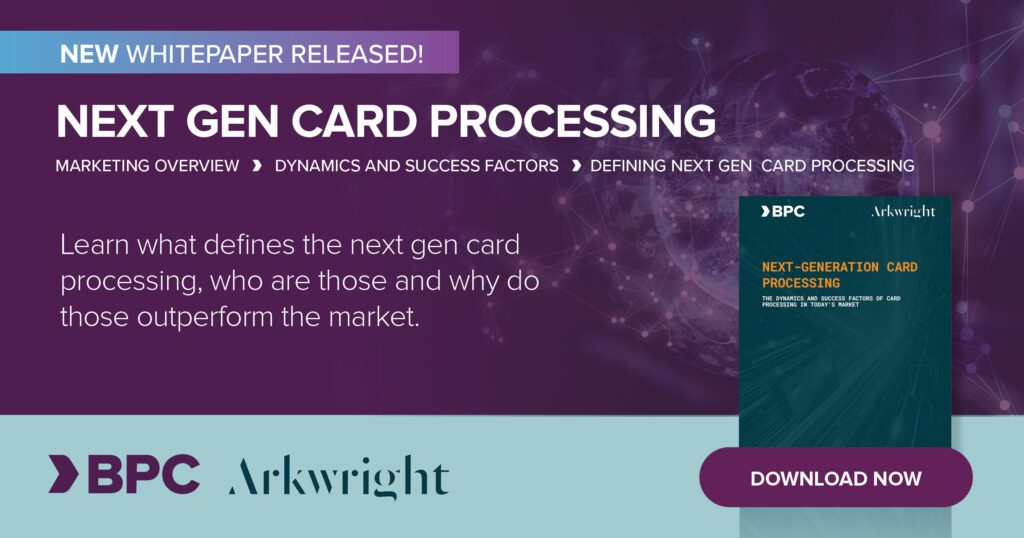
BPC’s report, “Next-Generation Card Processing,” highlights the rapid growth of challenger processors, driven by cloud-native technology and innovation, outpacing incumbents.
PXP Financial and Phos by Ingenico partner to offer a SoftPoS solution for contactless payments on Android devices without additional hardware.

IATA and Outpayce partner to enable airlines to accept faster, secure account-to-account payments via IATA Pay.

DigiDoe provides an AI-driven solution for cross-border payments, ensuring compliance, fraud prevention, and operational efficiency.

Chargeback abuse costs billions, but merchants can reduce fraud with proactive strategies like customer engagement and better security.

Equals Money research shows 90% of financial leaders face 2024 Budget uncertainty, with 70% delaying investments, and 81% planning to adopt new financial tools.
The FCA’s CP24/20 proposes significant changes to safeguarding rules for payment and e-money firms, requiring operational and compliance upgrades.

LHV Bank has appointed Mike Goodenough as director of banking services to lead growth and strengthen UK and European operations.

Ripple has upgraded Ripple Custody with new features like transaction screening and XRP Ledger integration, providing secure and scalable crypto asset storage.
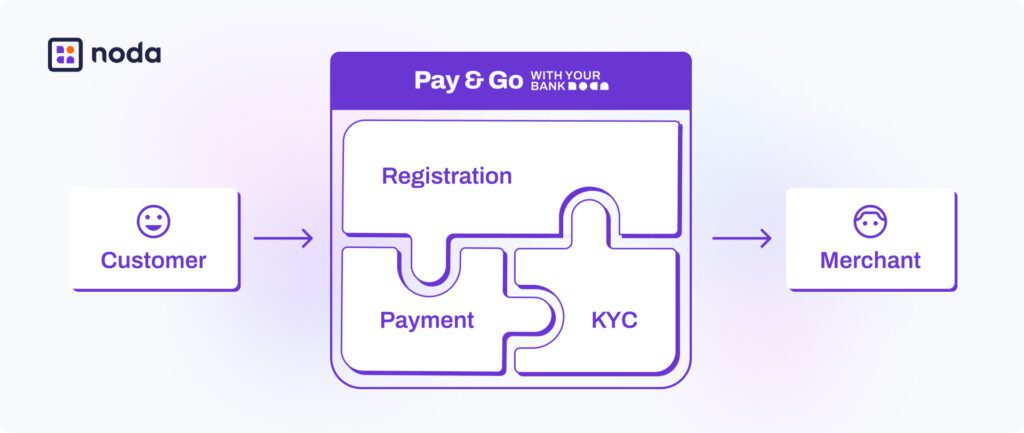
Noda’s Pay & Go simplifies registration, KYC, and payment processing in one flow, enhancing conversion rates and user onboarding.
Seon Technologies’ November 20th webinar will explore how advanced pre-KYC processes can improve customer onboarding and fraud prevention for financial businesses.

Learn how payments firms are tackling the challenges of the Consumer Duty, from compliance gaps to improving customer outcomes and governance.

Gladius Assurance has launched a Safeguarding microsite to help firms navigate the FCA’s proposed changes to the Safeguarding Regime outlined in Consultation Paper 24/20.

The FCA’s new safeguarding reforms strengthen consumer protection in payments and e-money sectors. This article outlines key changes and steps firms must take to comply.