Attenda announces evolution into payment orchestrator
Attenda is evolving into a payment orchestration platform to expand payment flexibility, control, and scalability across Europe.
Attenda is evolving into a payment orchestration platform to expand payment flexibility, control, and scalability across Europe.

For SMEs, cash remains essential for resilience, liquidity, and inclusivity as digital payments still bring costs, delays, and dependency risks.

Digital wallets, open banking, and instant payments are reshaping competition as banks fight to retain customer ownership and engagement.

The UK’s new crypto regime will extend FCA oversight to many overseas firms, reshaping how they access and serve UK customers.

Cross-border payments remain costly and unpredictable for SMEs, despite advances in payment technology and real-time infrastructure.
Dialect and RTGS.global partner to deliver 24/7 customer support for real-time cross-border settlement, enhancing reliability and client experience globally.

Payments isn’t converging on one trend. New data shows a market split between AI ambition, cross-border growth and mounting operational pressures.

DECTA earns UK FinTech Awards recognition for its hands-on partnership model, helping fintechs scale and deliver better SME payment solutions.

Fraud is not just financial loss but a confidence shock, driving lasting behavioural change, eroding trust, and quietly slowing digital finance adoption.

Financial institutions are modernising core systems in stages, using cloud-ready platforms and phased migration to scale operations while maintaining continuity and control.

Ahead of 7 May 2026, payments firms face a shift from deadline compliance to sustained FCA scrutiny, with data-driven supervision set to reshape outcomes.

How new compliance architectures can restore trust and transparency to the correspondent banking business and create revenue opportunities.

payabl. launches Click to Pay with Visa, enabling faster, tokenised checkout that boosts approvals, reduces fraud, and cuts friction across online payments.

European Securities and Markets Authority oversight signals a shift for EMIs, as standardised reporting demands stronger data infrastructure, governance, and technical readiness.

Paysafe launches PaysafeWallet, a digital wallet with IBAN accounts and cards, connecting cash users to seamless everyday digital payments across Europe.
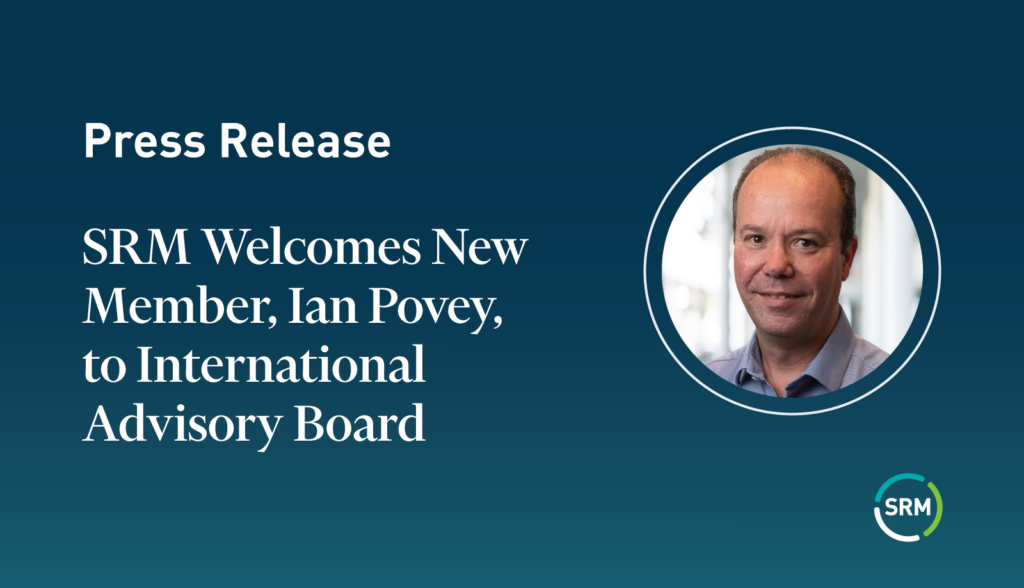
SRM appoints Ian Povey to its International Advisory Board, adding deep payments expertise to guide strategy as global infrastructure modernisation accelerates.

Agentic commerce is emerging as a payments strategy, with banks expected to provide trusted execution, controlled delegation, and robust fraud and consent safeguards.

Pay.UK updates FPS rules to improve certainty in A2A payments, strengthening trust, clarity, and reliability across end-to-end transaction journeys.

Stablecoins are moving into mainstream finance, reshaping payments, trade, and regulation as institutions explore faster, programmable settlement.

A forward-looking overview of key regulatory developments across payments, crypto and financial services, with timelines and practical implications.

Australia’s payments overhaul shifts to activity-based regulation, bringing more providers into licensing and tightening oversight ahead of a 2027 rollout.

AI is now core to transaction monitoring, but impact depends on using the right models—misapplied tools risk missed gains and widening performance gaps.
LSEG expands global account verification to 45 countries, helping firms secure cross-border payments, meet VoP requirements, and prepare for PSD3/PSR.
Dialect launches MultiVox, an AI-powered voice solution delivering real-time multilingual support in 85+ languages to help payments firms scale globally.

CASS 15 lands on 7 May 2026, replacing guidance with strict rules and raising board-level accountability, audit standards, and daily safeguarding requirements.

Modernising legacy banking systems demands careful migration, balancing risk, speed, and continuity while enabling real-time capabilities and future innovation.

The UK is moving crypto into regulation, with new licensing, stablecoin rules, and market abuse controls ahead of a full regime launching in 2027.

The UK is moving crypto into regulation, with new licensing, stablecoin rules, and market abuse controls ahead of a full regime launching in 2027.

Insights from 7,595 PAY360 delegates and 115 MT360 merchants on payments challenges, priorities and opportunities shaping the industry in 2026.

Poland is emerging as a credit innovation hub, shifting from product-led lending to real-time, embedded credit driven by digital behaviour and transaction data.

Paysecure, a leading global payment orchestration platform, and Yaspa, a leading fintech specialising in payments and identity solutions, have today announced a strategic partnership to bring true intelligence to the payments market.

The FCA is accelerating payments reform for 2026, tightening rules on safeguarding, fraud, and consumer protection while pushing innovation across open banking and AI.

Paymentology appoints Peter Theunis as principal advisor, bringing deep industry expertise to support global expansion and drive growth across key markets.

Instant payments aren’t a compliance exercise. They demand real-time infrastructure, and EMIs that treat them as strategic will outpace those that don’t.

In a digital-first world, customer experience still hinges on human empathy, with the best outcomes coming from combining technology with genuinely skilled, culturally aware teams.
Paysecure is partnering with Nucleus365 to white-label its AI-driven orchestration platform, giving merchants a single, scalable layer for smarter routing, higher acceptance, and more resilient cross-border payments.

AI-driven fraud has industrialised, forcing the industry to move from awareness to coordinated action on data sharing, accountability, and prevention.

Consumers get fast fraud refunds. Businesses don’t. With £1.14bn lost in the UK, siloed data and weak collaboration are leaving firms exposed to rising threats.
Vivox AI raises £1.3m to scale regulator-ready AI agents, cutting compliance times, reducing false positives, and enabling auditable automation in financial crime workflows.
“Friendly fraud” is rising in the UK, with consumers disputing legitimate payments, creating growing challenges for merchants in risk and revenue protection.

AI-driven fraud is rapidly rising, with automated attacks and deepfakes exposing limits in traditional verification and pushing firms toward real-time, collaborative defences.

xpate joins PAY360 2026 to showcase unified financial infrastructure, highlighting data-driven payments, scalability, and real-time integration across modern fintech systems.
Bankfeed and Salt Edge partner to automate multi-bank operations, enabling real-time data access, faster reconciliation, and more efficient payment workflows for SMBs.

AI is everywhere in financial crime, but weak governance and low autonomy leave firms exposed to rising regulatory, financial and operational risk.
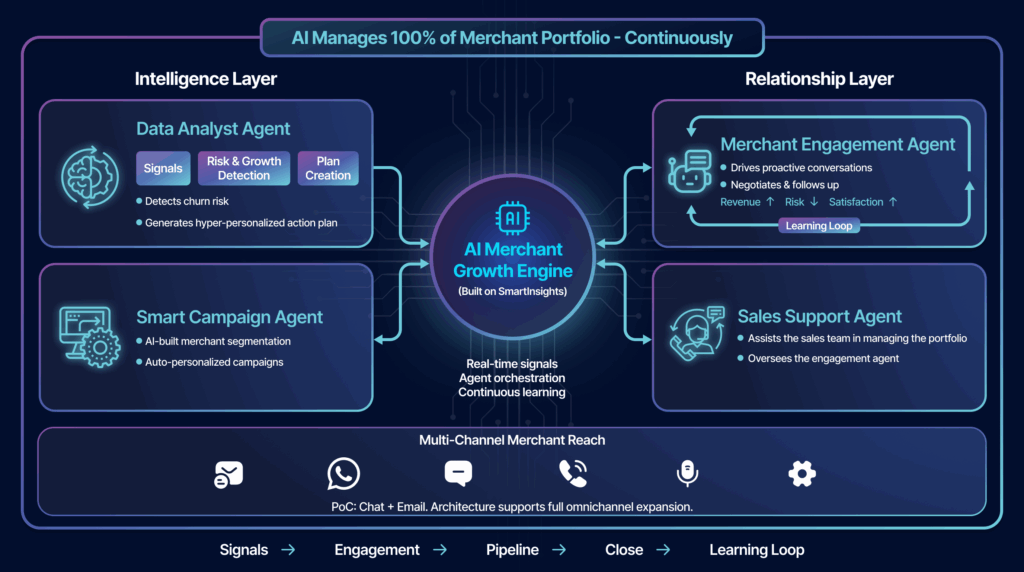
DataWhisper launches AI-driven Merchant Growth Manager, enabling full-portfolio oversight, real-time decisioning, and compliant autonomous execution at scale.

AI is reshaping discovery, and poor data signals can misrepresent brands—making clear, consistent content critical for visibility in AI-driven search.

An overview of recent ESG regulatory developments affecting payments firms, including EU sustainability reforms, UK consultations and supervisory priorities.

UK payments regulation has shifted from EU alignment to a domestic framework focused on fraud, consumer protection, competition and stablecoins.