Regulation Roadmap Q3
TPA’s Q3 UK Payments Regulation Roadmap explains the key UK and international regulatory developments affecting payment firms over the coming years.

TPA’s Q3 UK Payments Regulation Roadmap explains the key UK and international regulatory developments affecting payment firms over the coming years.

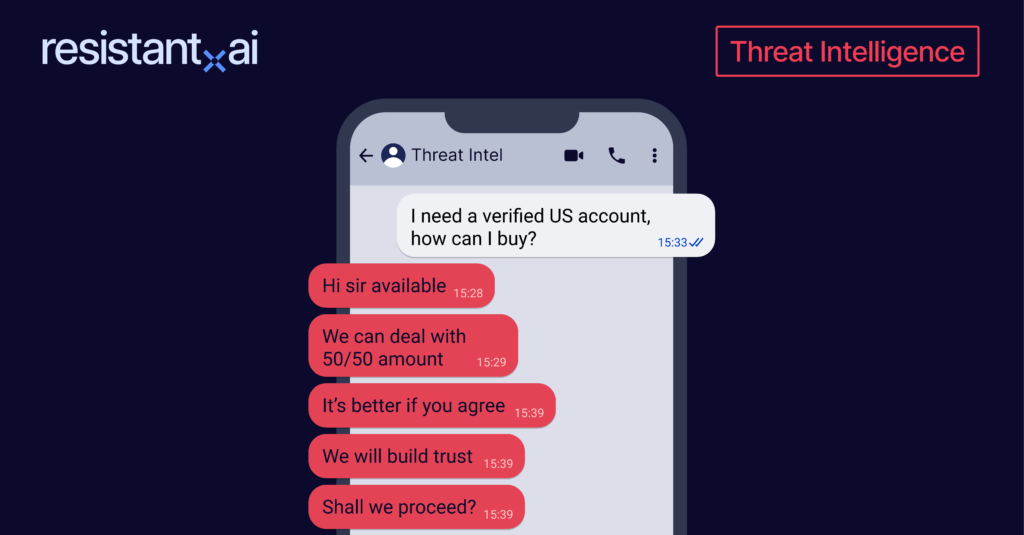
As cyber threats evolve, AI-powered anomaly detection is becoming essential for helping payment firms identify threats early and strengthen resilience.

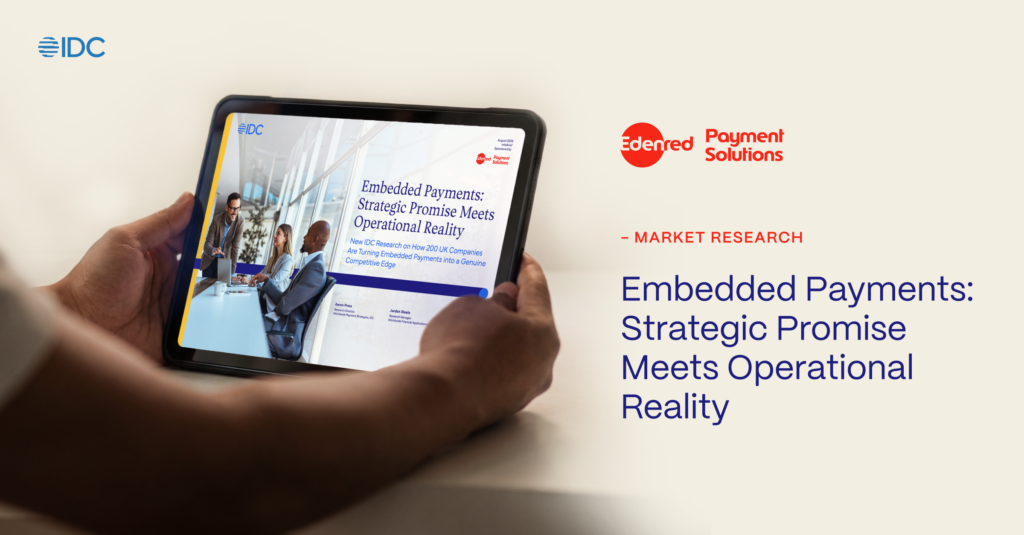
New research uncovers the payment habits, preferences and priorities shaping the future of payments in the UK.

The FCA has finalised key rules for the UK’s new cryptoasset regime, covering stablecoins, custody, prudential standards and market abuse.

Guardexia has introduced automated transaction matching, helping payment firms identify reconciliation breaks faster and strengthen safeguarding audit trails.

See how Gladius CASS Hub helps firms prepare for FCA safeguarding audits, automate compliance and stay ready for monthly safeguarding returns.

Join LSEG Risk Intelligence to explore new payment verification capabilities, fraud trends and the future roadmap for trusted global payments.

New research uncovers the payment habits, preferences and priorities shaping the future of payments in the UK.

Imperium(L)’s Prism platform helps payments and e-money firms automate safeguarding, reconciliation and audit readiness under the FCA’s new regime.

AI-powered search is reshaping discovery. As buyers turn to tools like ChatGPT, payments firms must rethink visibility beyond search and social. For years, digital advertising has been dominated by two

Worldline explores how AI, instant payments and digital identity are reshaping payments, and why orchestration and collaboration will define the future.
OpenPayd has secured MiCA authorisation, enabling regulated stablecoin, custody and digital asset services across Europe through a single licence.

Agentic commerce will depend on trust as much as technology. Ecommpay explores how security, control and consumer confidence will shape adoption.


Watch the on-demand webinar on tackling rising e-commerce fraud, covering card testing, BIN attacks and the future of cross-channel fraud intelligence.

As global operations become more complex, businesses are adopting integrated financial ecosystems to improve resilience and scalability.

Learn how Vonage and AWS use communications APIs, network APIs and AI to detect fraud in real time and strengthen identity protection.

This whitepaper explores how Zero Trust security can be strengthened with telecom-grade risk signals to reduce fraud, prevent account compromise and minimise user friction.
How can firms strengthen fraud prevention without adding friction? This ebook explores customer preferences for security, authentication and user experience.

New research shows vulnerable customers are strong adopters of AI and digital banking, but are far more likely to experience failed payment journeys and poorer outcomes.

KYC is evolving beyond onboarding. As fraud grows more sophisticated, payments firms are shifting towards continuous, risk-based identity verification.

The PAY360 Awards 2026 shortlist is here. Discover which companies have made the cut across 21 categories, judged by over 70 independent industry experts.

Sumsub’s new guide explores how KYC is evolving in 2026, from AI-driven fraud prevention to reusable identities and continuous risk monitoring.

As payments accelerate, fraud prevention is becoming central to operational resilience, helping institutions keep legitimate transactions moving. For years, fraud prevention was treated as a defensive function. The job was

iFAST Global Bank has launched SEPA Instant and SCT services, expanding its European payment capabilities for businesses and financial institutions.

As digital money evolves, regulators and industry leaders are focused on preserving cash, choice, resilience, and financial inclusion.

LSEG’s Global Account Verification service helps organisations verify payee details, supporting safer cross-border payments and compliance.

Paysafe will host a London rooftop event exploring platform growth, embedded payments, and regulatory challenges with industry leaders.
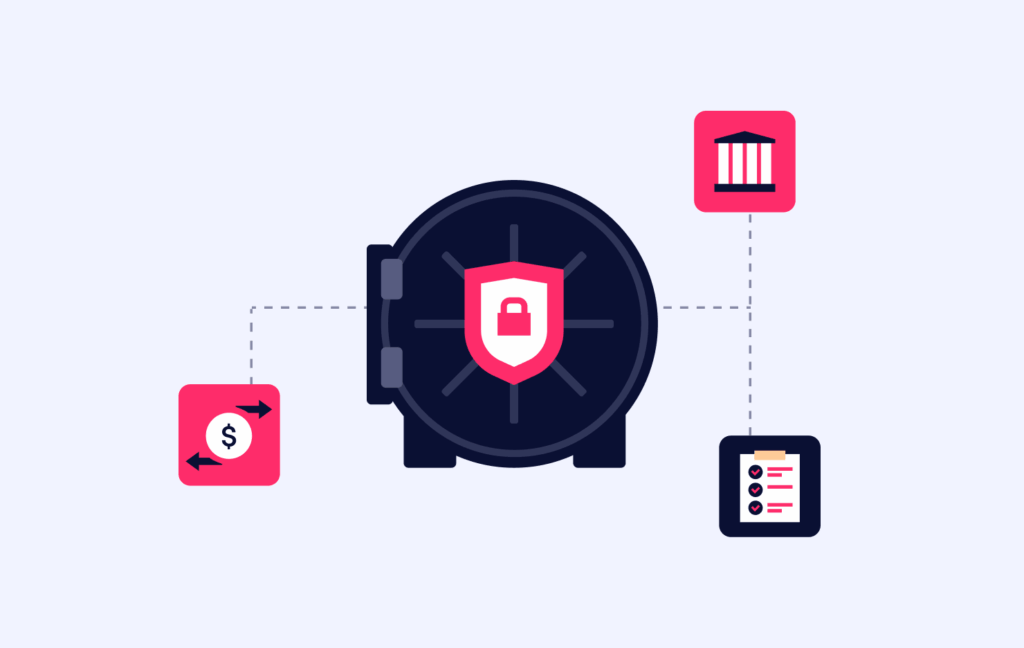
UK crypto firms will need FCA authorisation by October 2027, with applications opening in September 2026 for regulated activities.
The UK’s Payments Forward Plan outlines major regulatory changes across payments, cryptoassets, Open Banking, and safeguarding through 2027.

The FCA has outlined new priorities for payment firms, focusing on innovation, consumer protection, operational resilience, and safeguarding.

HM Treasury plans to bring stablecoins into UK payments regulation as part of wider reforms to modernise digital payments.

Agentic payments could reshape online commerce, but AI-driven transactions raise new legal, regulatory, and authentication challenges for providers.

Political change, financial risk, and emerging technologies are reshaping payments regulation as firms prepare for major reforms in 2026 and beyond.

The UK’s new cryptoasset regime will regulate qualifying cryptoassets and stablecoins under FSMA from October 2027.

Torus and SRM will host a webinar on improving acquiring profitability under IC++ pricing models.

Endava, the technology-driven business transformation group whose AI-native approach combines cutting-edge technology with deep industry expertise, recently announced a strategic partnership with Tyl by NatWest, NatWest Group’s merchant-payments arm, to

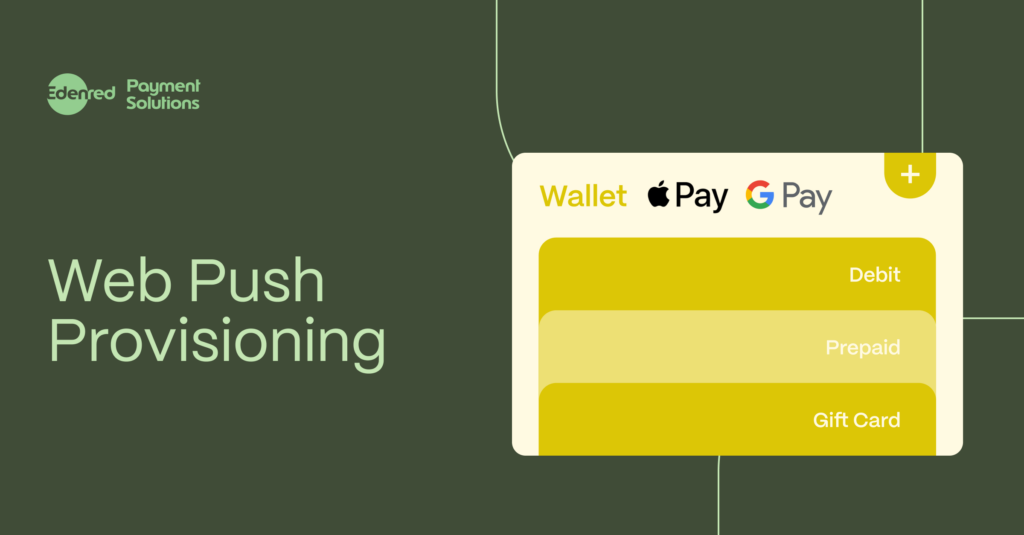
Edenred Payment Solutions will host a webinar exploring how retailers can scale and optimise prepaid gift card programmes in 2026.

Stablecoins could reshape B2B payments, but adoption depends on trusted infrastructure, interoperability, and regulatory clarity.

Vivox AI is helping financial firms improve KYB and AML operations through AI-driven onboarding and compliance workflows.

The FCA’s PS26/2 introduces stricter incident reporting obligations for payment firms from March 2027.

Worldline is promoting passkeys and passwordless authentication to strengthen security and reduce fraud in banking.

Europe’s payments sector is entering a strategic shift shaped by AI, digital assets, interoperability, and payment sovereignty.

Worldline is using AI to help investors analyse annual reports faster, reducing costs and improving financial insight at scale.

Worldline has joined GASA to strengthen fraud prevention through shared intelligence, AI, and coordinated industry action.

ComplyAdvantage has launched AI-native payment screening tools to improve sanctions detection, speed, and compliance efficiency.

FCA reviews show many payments firms still have weak wind-down plans, highlighting the need for stronger governance, funding and exit readiness.

Cross-border businesses increasingly need payment platforms that combine transparency, compliance, and simplicity to build trust globally.

UK merchants expect agentic commerce to grow rapidly, but uncertainty around liability, fraud, and standards is slowing readiness.