
How Altery uses explainable AI to investigate complex ownership structures [+ video]
Altery is using Vivox AI to cut complex ownership investigations from hours to minutes, while retaining auditable evidence, human oversight and accountability.

Altery is using Vivox AI to cut complex ownership investigations from hours to minutes, while retaining auditable evidence, human oversight and accountability.

TELF AG reports cutting due diligence reviews from 60 to 10–15 minutes using Vivox AI, while identifying risks missed by traditional screening providers.

Vivox AI and beSirius have partnered to combine supplier evidence assessments with financial crime screening, helping metals and minerals firms streamline due diligence.

Stablegate is using Vivox AI agents to accelerate KYB checks, trace complex ownership structures and support auditable onboarding for cross-border payments.

As banks move beyond ISO 20022 compliance, incremental financial messaging modernisation could unlock richer payment data and greater flexibility.

Findings from Financial Crime 360 on AI governance, regulatory preparedness and intelligence sharing, with practical priorities for financial crime leaders.

As agentic commerce accelerates, UK payments regulation must address gaps in authentication, AI agent authority and liability to support trusted automated transactions.

October’s critical software vulnerabilities highlight the need for urgent patching, access controls and fraud prevention as payment businesses prepare for Black Friday.

The FCA’s review urges payments firms to demonstrate how they identify vulnerable customers, tailor support and use data to improve outcomes under the Consumer Duty.

High-value legal payments need more than callback checks, with integrated identity verification, approval and reconciliation helping reduce fraud and errors.

BKL experts discuss how firms can navigate regulatory change, growth and product launches, and use safeguarding audits and external advice to strengthen oversight.

The Payments Association launches its 2027 Manifesto, setting out four objectives and eight policy priorities for the future of UK payments by 2030.

As APP fraud shifts across payment rails and borders, banks need shared, cross-network visibility to detect scams before funds move beyond recovery.

DECTA explores how connected payment infrastructure can reduce checkout friction, support international growth and improve the customer experience. A customer has found the product. They’ve researched, compared, added to the

As technology businesses expand globally, their payments infrastructure often struggles to keep pace. PayDo CEO Serhii Zakharov explores why.

LSEG Risk Intelligence and EY experts discuss AMLR readiness, data gaps and practical steps to strengthen compliance ahead of July 2027 in an on-demand webinar.

Pangea Consulting’s whitepaper examines the FCA’s new cryptoasset regime, covering authorisation, stablecoin safeguarding and compliance ahead of October 2027.

Zombie identities expose gaps in embedded lending, highlighting the need for continuous identity verification and cross-platform fraud detection beyond onboarding.

Kord will host a London event on 5 November exploring fraud prevention, AI and client funds regulation in legal transactions, followed by networking.

Finastra explores how embedding AI-driven fraud detection into payment workflows can help banks and PSPs identify threats in real time and protect customer trust.

Crown Agents Bank is providing YeePay with wholesale FX solutions across G10 currencies, with both firms exploring expanded coverage in emerging markets.

Explore the key regulatory developments shaping UK payments in Q4 2026, from cryptoassets and AI to consumer protection and payments infrastructure.

Tokenised assets are gaining institutional traction, but regulatory fragmentation, settlement challenges and uneven adoption continue to constrain growth.
Merchants can reduce chargebacks by understanding dispute causes, improving customer communication, strengthening fraud controls and monitoring transaction patterns.
fscom’s 2026 fincrime compliance report examines AML audit findings, recurring deficiencies and emerging risks to help firms benchmark their controls.

ComplyAdvantage’s CATALYST event in London on 9 December will bring compliance leaders together to discuss AI, financial crime detection and regulatory expectations.

Bottomline research suggests payments modernisation is shifting beyond connectivity towards better use of data, fraud intelligence and orchestration.

DOSH has launched Google Pay for its prepaid card customers, expanding access to contactless payments for people underserved by traditional banking.

Explore payment collection and disbursement solutions, including Direct Debit, Open Banking, digital and assisted payments, reconciliation and APIs.

Applications are open for Addleshaw Goddard’s 2026/27 AG Elevate programme, offering high-growth technology firms legal advice, mentoring and networking.

Industry experts will explore how software providers can use embedded payments to meet customer needs, differentiate products and unlock new revenue streams.

For banks processing high payment volumes, dedicated cloud infrastructure may offer better long-term economics, operational control and predictability.

As AI-enabled fraud grows more sophisticated, banks need adaptive behavioural monitoring and real-time detection to identify scams before payments are completed.

Paymentology and Huru are expanding their UAE partnership to launch a Jaywan card in Q4 2026, supporting domestic payments and Huru’s Universal Account.

RelyComply will host a London debate on whether AI helps or hinders the fight against financial crime, bringing together experts from banking, policy and technology.

UK payments and e-money firms still adapting to the new safeguarding regime face tougher audit requirements and increased scrutiny of systems and controls.

FMPay has launched Remitiva, a standalone card payout service offering near-instant payments across 140 countries and 160 currencies.
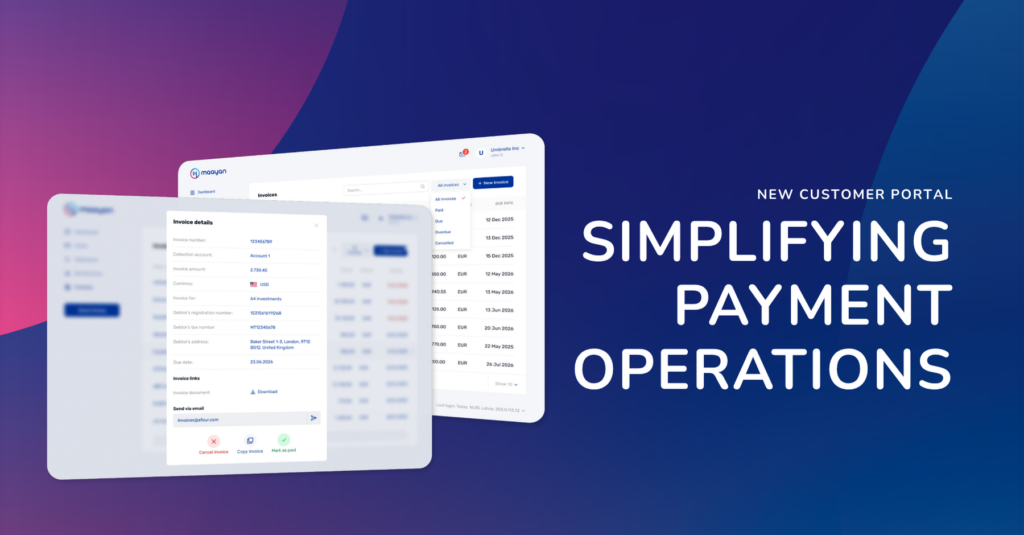
Maayan has updated its customer portal with streamlined payment workflows, enhanced reporting and e-invoicing to simplify payment management at scale.

Payments firms investing in proprietary technology could use R&D tax relief and Patent Box to support innovation and reduce the tax burden on qualifying profits.

Retailers relying on offline card payments during outages risk later declines, making resilient mobile connectivity essential to reducing unconfirmed transactions.

CFOs are embracing AI but want stronger data, controls and accountability first, with practical use cases in forecasting, reconciliation and payments leading adoption.

A year after the Failure to Prevent Fraud offence took effect, organisations must review their risk assessments and demonstrate that prevention controls work in practice.

Fraud prevention must account for lost customers and operational costs alongside fraud losses, with shared oversight of verification friction and risk.
fscom’s 2026 IT compliance report finds governance and oversight remain key weaknesses, with many financial firms struggling to turn policies into practice.

New research examines how prepared firms are to deploy AI inclusively, and where reported readiness, practice and customer outcomes diverge.

Ashurst Perkins Coie will bring banking and regulatory leaders together in London to discuss AI agents, digital assets and the future of banking operations.

UK Payments Delivery Company (UK PDC) has launched an equity capital raise, opening an opportunity for eligible organisations across the UK payments ecosystem to invest in the company that will

A unified FRAML approach can help UK credit unions strengthen financial crime detection, reduce false positives and streamline investigations. Credit unions across the UK are navigating rapid change. As member