2025 financial crime confidence and preparedness report
New research from The Payments Association shows confidence in regulation is split, while payments leaders increasingly view AI as the key to tackling financial crime.
New research from The Payments Association shows confidence in regulation is split, while payments leaders increasingly view AI as the key to tackling financial crime.

UK fraud controls have reduced domestic APP scams, but criminals are shifting to smaller institutions and cross-border channels, making consortium data vital for defence.

As fraud detection grows more complex, explainable AI is becoming essential—helping banks ensure transparency, speed investigations, and meet rising regulatory demands.

Scams are evolving faster than ever, fuelled by AI deepfakes and global fraud networks. Discover how to detect and stop them before they spread. Scams are now the fastest-growing form

Dispute management is becoming a key part of customer experience as issuers modernise with automation and smarter tools.

Private settlement networks promise speed and efficiency, but can payments leaders safely embrace innovation without sacrificing transparency and regulatory oversight?

Money mule networks have industrialised into ‘mule-as-a-service’, laundering £10bn a year. Adaptive AI and intelligence sharing are key to defence.

As regulators and customers demand to know not just if fraud detection works but how it works, explainable AI is becoming a competitive necessity in the payments industry.

Embedded payments increase fraud risk when UX trumps controls. Regulators demand dynamic, explainable compliance designed into customer journeys.

Synthetic identity fraud surged 60% in 2024, fuelled
by AI deepfakes and regulatory gaps. UK firms
must adopt real-time, risk-based defences.

Fraud has evolved from clumsy scams to AI-powered campaigns. This piece explores why cyber and fraud defences must now fuse into one fabric.

UK fraud losses hit £1.17bn in 2024. With AI fuelling attacks, this piece explores how banks can harness AI to defend payments and restore trust.

Payment institutions face mounting AML/CFT risks as fraud, cybercrime, and regulatory scrutiny reshape Europe’s financial landscape.

Sumsub has launched a free AML Fundamentals course, offering practical, expert-led training to help professionals tackle evolving financial crime risks.

Friendly fraud now accounts for most card fraud claims – but it’s merchants, not criminals, who are punished. The system needs urgent reform. In the modern payments ecosystem, merchants operate

AI is transforming fraud detection, but false positives and opaque models risk eroding trust. Firms must embed explainability to stay compliant

Banca Popolare di Sondrio (SUISSE) SA expands its use of Cleafy’s Fraud XDR platform to combat rising instant payment fraud. Banca Popolare di Sondrio (SUISSE) SA has expanded its use
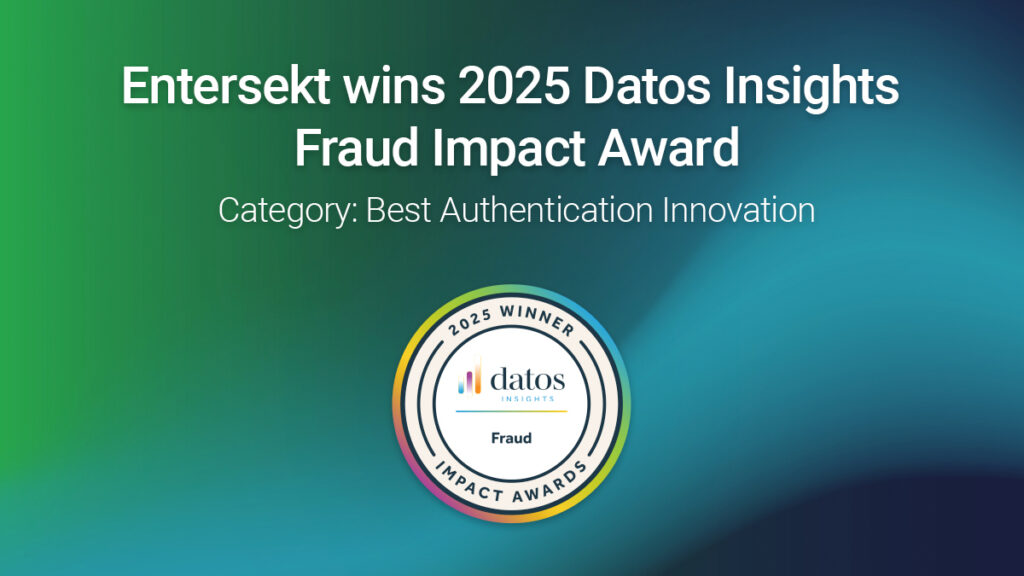
Entersekt wins Best Authentication Innovation, recognised for fraud prevention that reduces scams, enhances security, and preserves UX Entersekt, a global leader in digital banking fraud prevention and payment security, today

FCA data shows 49% of complaints are about cards & payments, 56% upheld. Slow resolutions erode trust—banks must act to rebuild confidence.

Our Financial Crime 360 report reveals rising fraud risks, uneven tech readiness, regulatory divides, and strong investment ahead.

A global survey of 260+ leaders reveals payments at a crossroads: AI opportunities, rising fraud risks, skills shifts, and strong optimism.

FCA and EBA reviews expose major gaps in sanctions screening. Firms must test calibration, data, and list updates to avoid costly failures.

The 2025 State of the Industry survey reveals rising cyber risks, shifting priorities, and strong investment in payments innovation.

Synthetic identity fraud is rising fast, with deepfakes and AI-driven crime exposing gaps in global AML/KYC. New defences are urgent.

APP fraud cost the UK £450m in 2024. With scams starting online, debate grows on who should bear responsibility for prevention.

Q3’s updated UK NRA reclassifies EMIs as high risk for ML and TF, prompting debate across the sector on compliance, innovation and proportionality.

Explore 2025 financial crime trends, AI-driven fraud risks, regulatory challenges, and evolving prevention strategies shaping the payments industry.

Join Sift’s Risk Revenue Day in London on 7 July for expert insights and peer discussion on fraud, identity, and trust in payments.

Datos Insights highlights Lynx Tech’s AI-led approach to real-time fraud and AML prevention, recognising its adaptive modelling capabilities.

OpusDatum marks 18 years of trusted advisory in financial crime and compliance, reflecting on key milestones and looking ahead to practical, purposeful innovation.

Six months into APP scam reimbursement rules, 86% of victims are refunded—yet calls grow for a cross-sector, prevention-first fraud strategy.

The Payments Association’s consumer behaviour survey reveals UK consumers’ payment habits in 2025, highlighting growing digital use, persistent cash reliance, and a strong focus on security.

A 2025 survey of UK retailers reveals how payment challenges and innovation priorities are shaping merchant strategies across the sector.

As fraud grows more sophisticated, platforms must balance growth and security—turning risk management into a competitive edge through smart tech and strategy.

OpusDatum has launched the WTR Knowledge Hub, a data-driven platform supporting global compliance with wire transfer regulations and FATF Travel Rule adoption.

Lynx has won Anti-Fraud Solution of the Year at the 2025 FSTech Awards, recognised for its AI-driven, real-time fraud detection technology and adaptability.

Tecovas has adopted SEON’s AI-driven fraud prevention technology to enhance security and reduce chargebacks across its retail and e-commerce operations.

Banking Circle is leveraging AI to enhance payment scalability, streamline financial crime compliance, and reduce false positives, supporting faster, more secure global transactions.

Cross-border payments are being reshaped by new tech, regulation, and partnerships—but legacy risks still demand smarter compliance.

As APP fraud grows more sophisticated, banks must move beyond transactional checks and use behavioural signals to intervene before money moves.

As financial crime evolves, correspondent banks must prioritise wire transfer transparency to meet global regulations and safeguard the financial system.
From AI-driven scams to rising chargebacks, five key fraud trends are reshaping risk exposure for high-risk merchants in 2025.

Emerging AI technologies are transforming the fight against financial crime with real-time detection and prevention capabilities, improved risk scoring, and reduced false positives. New paradigms define which solutions make the

To address the money mule problem, organisations must combine elements of fraud prevention, cyber threat intelligence, and anti-money laundering capabilities.

Fintech automation brings speed and innovation, but system failures, outages, and over-reliance highlight the need for strong oversight and planning.

SEON has launched an automated chargeback management solution, combining fraud detection and dispute automation to help eCommerce merchants reduce losses and improve efficiency.

AI is reshaping the fight against payment fraud, prompting financial leaders to adapt with smarter tools, better data, and cross-sector collaboration.

Online fraud is rising, with over 70% of UK payments platforms seeing revenue loss—firms are turning to AI, IDV, and biometrics to strengthen defences.