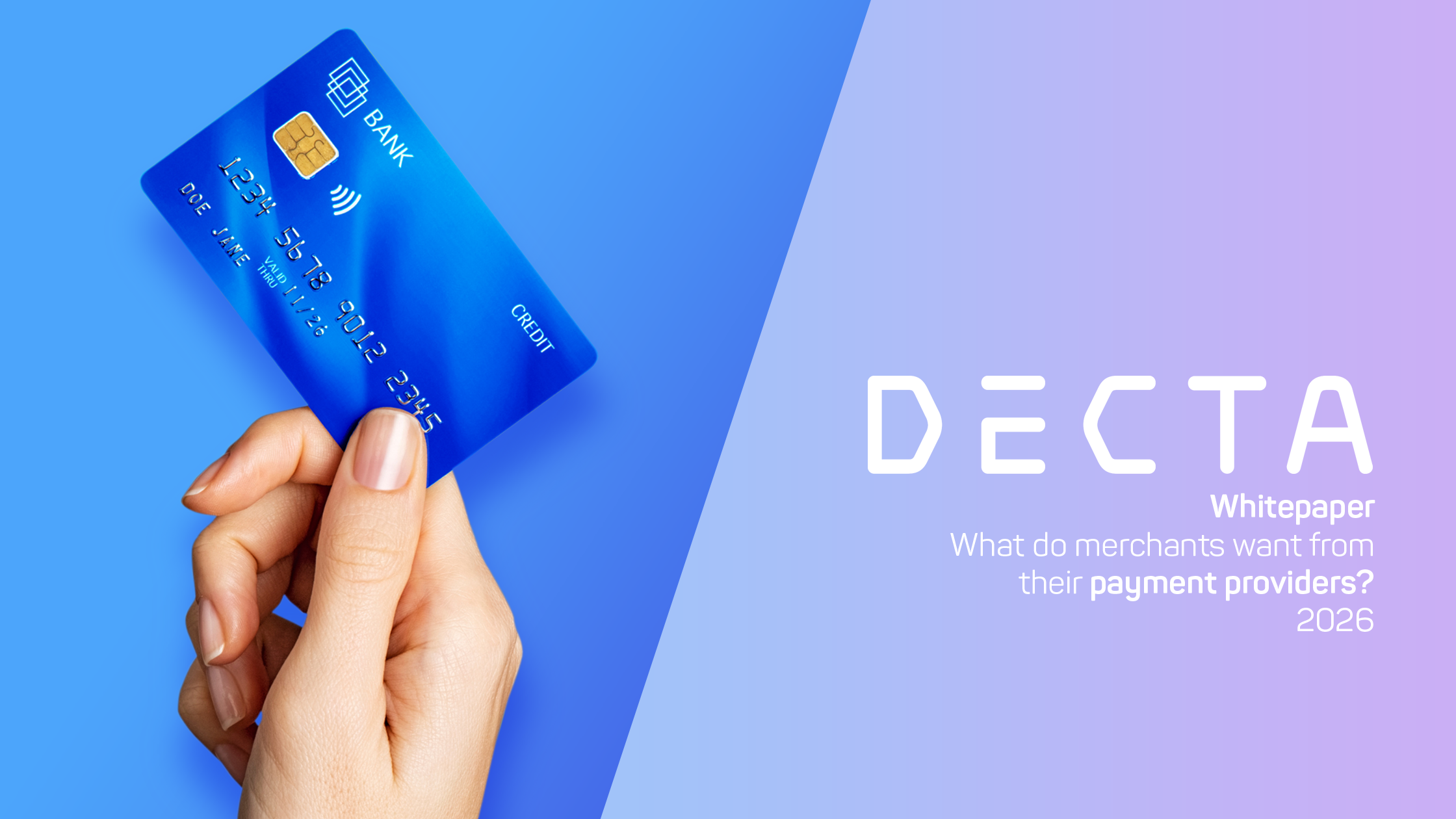

The issuing model is overdue a rethink. Discover how Holistic Issuing replaces fragmented setups with a unified, agile, and cost-efficient approach.
A better standard of service in the issuing space is long overdue. For years, payment card provision has relied on a patchwork of providers to deliver a single product. An approach that was acceptable during the infancy of the industry, but is now inefficient and outdated.
The multi-disciplinary nature of a card solution provision has traditionally required several service providers and licensed entities to be coordinated to develop, deliver and maintain the technical architecture and governance systems required. This includes sourcing a card issuer (for BIN sponsorship), a processor, a program manager, an anti-fraud system, and an app developer, to name a few. This is just crazy.
What if buying a car were like building an issuing solution? In this old way of thinking, you would need to source the chassis of the car from one company, the engine from another, the gearbox from elsewhere, and the safety features from someone else entirely. Each part may work fine on its own, but integrating them into a single, functioning vehicle would demand intense coordination, lots of time and energy, along with a very steep learning curve.
Now imagine introducing a new feature. You have to consult each provider to assess the impact of the change. If something rattles or breaks, it’s harder to pinpoint the cause, let alone get everyone to prioritise fixing it. Far from ideal. Yet, this is how card programmes are typically set up. Every change, big or small, creates a ripple effect across the value chain, impacting compliance, cost, and customer experience.
A (very) brief history of payments
To understand the origin of this complexity, we need to go back 50 years. Prior to the internet, card issuers were predominantly banks. Branded card projects were rare, mainly limited to co-branded efforts, like airline rewards cards.
The internet changed everything. It accelerated innovation and enabled technical pioneers to specialise in areas like processing, platform hosting, and card management. The result? A fragmented ecosystem, with separate providers for every layer of the payment value chain. Which brings us to today and the opportunity to rethink how it all fits together.
The value of a unified approach
The historical complexity of delivering a payment product raises a fundamental question: Does it need to be this way? The short answer is no. One provider should be able to do it all.
That’s the philosophy behind the holistic issuing concept. Where a single provider actually provides every element of the service. An approach that replaces outdated complexity with smarter, more connected thinking and the speed, control, and clarity that multi-party setups simply can’t deliver.
Holistic Issuing isn’t about bundling services. It’s about owning the ecosystem and putting efficiency and effectiveness at its heart. A holistic issuer sees the full picture across technical, regulatory, and operational domains. With a single provider responsible for everything, clients benefit from faster timelines, smoother operations, and reduced costs. Instead of juggling multiple calendars and competing priorities, a holistic issuer can set plans in motion immediately, eliminating the months (or years) lost to coordination efforts.
Just as crucially, you only need to communicate once. Everyone is aligned, internal knowledge is shared, and delivery becomes a whole lot simpler.
Real-time responsiveness and simplified communication
In the traditional model, the inefficiencies don’t stop at launch. In fact, they often escalate. When an issue arises at 2 AM over a weekend—as they inevitably do—coordinating multiple providers is slow, messy, and frustrating. You need to rally teams, escalate issues, and persuade everyone to drop what they’re doing.
In a holistic issuing model, that stress disappears. One provider owns the whole stack; the response is faster, cleaner, and far more effective. No convincing. No confusion. Just resolution.
Innovation at its core
Holistic Issuing also unlocks faster experimentation and more agile R&D. With all capabilities under one roof, you can tackle technical and regulatory challenges in parallel, not sequentially.
By managing technology and compliance simultaneously, you accelerate development and achieve results more quickly. Rather than juggling slow, fragmented updates, you can innovate continuously. At any one time, you can work on an array of features that solve multiple challenges simultaneously.
Holistic compliance management
Compliance is the backbone of any successful payments platform. Every product change introduces compliance risk, and without proper oversight, those risks compound.
With holistic issuing, compliance is embedded into every step from development to deployment and beyond. That means fewer nasty surprises, more robust governance, and regulatory compliance baked into the core of the product.
Transparent pricing and long-term alignment
From a cost perspective, it’s simple. Not having to multiply your costs across several different providers immediately lowers overheads. But the real value is transparency.
Instead of navigating different pricing models for every component, a holistic issuer can offer one clear, predictable and budgetable cost. That enables smarter business decisions, more accurate forecasting, and better control over margins.
Setting a new standard in payment solutions
Ultimately, holistic issuing redefines what it means to offer a payment solution. It brings together technical delivery, regulatory oversight, and client support into a single, integrated experience. No more herding cats. No more firefighting across organisational boundaries. Just a streamlined, agile, customer-centric model built for the way the market moves today.
Holistic Issuing isn’t just a new approach; it’s a smarter standard. One that sets clients up for long-term growth, smarter innovation, and faster time to market.