APP fraud rules are tightening, pushing PSPs to adopt digital risk audits that improve compliance, expose real risk and unlock fairer insurance terms.
APP fraud isn’t a new threat to the payments industry. Indeed, it’s a thorn that’s remained in the sector’s side for many years, growing in prevalence as the world becomes ever more dependent on digital processes. Risk management is an important part of reducing the frequency and impact of APP fraud. In this article, leading industry Lloyd’s insurance intermediary and one of the newest members of the Payments Association, Elmore, outlines several key considerations for an industry that is constantly tackling this challenge on a daily basis.
The regulation surrounding APP fraud is relatively new to the sector, focusing on increasing payments firms’ responsibility to reduce the avenues through which scams are transacted. Aligned with the regulation is the increasing sophistication of risk management techniques available to the industry to protect itself against highly damaging events, both financially and reputationally.
UK payment service providers (PSPs) will be well aware that, since October 2024, they have been obliged to abide by the Payment Systems Regulator’s (PSRs) rules. The APP scam regulations require the reimbursement of eligible customers who have fallen victim to APP fraud for payments made on or after this date, as well as 50% reimbursement by the PSP on the receiving side of the transactions.
These requirements are likely to be tightened in 2026, with the Regulator committing to a post-implementation review of the rules. This could lead to clearer (and/or more stringent) definitions, higher or more consistent evidence standards, improved timelines and processes, and changes to rules or limits where the current outcomes are not working as intended.
The stringent compliance outlook has heightened the need to examine risk management efforts, including reporting to insurers, all of which puts significant extra resource and cost burdens on the PSPs themselves.
The starting point should always be a digital APP risk audit. These are relatively quick and cost-effective compared to more traditional audit techniques. They help firms understand where they are now and demonstrate resilience, strong governance, and robust controls to key stakeholders, including senior leadership teams, shareholders, and insurers. Early warning risk indicators can be better understood, real exposures highlighted, and regulators kept onside.
Digital audits deliver continuous, real-time assessments of compliance controls and detect weaknesses before they can materialise into a loss event. A detailed understanding of exposures and the extent of operational resilience is available at any time, eliminating the need to wait for results from a traditional audit. This robust oversight reduces exposure to regulatory challenges and operational failures, and strengthens reputations with regulators, clients and partners.
It’s a level of intelligence that can also change the relationships between PSPs and their insurers, potentially leading to more favourable coverage.
Insurers often struggle to understand PSPs’ true exposure. Premiums can rely too much on static snapshots and assumptions, leading to a mismatch between real risk and price and rigid coverage terms.
Digital audits change that.
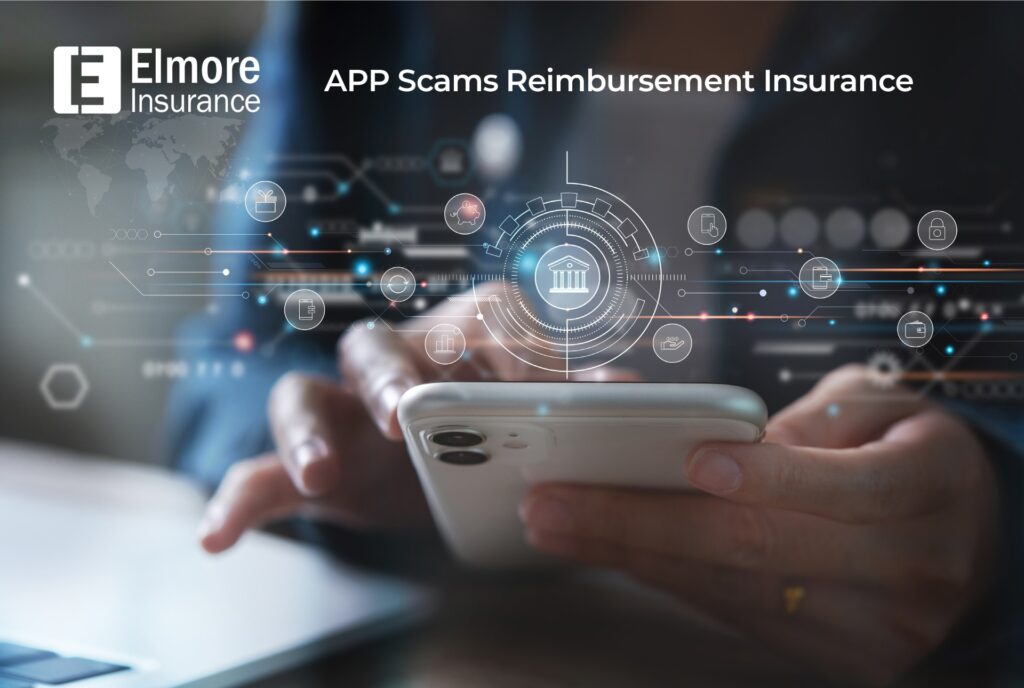
Underwriters have access to timely, evidence-based insights into a firm’s risk exposure and compliance health. This opens the door to more accurate pricing, risk-aligned premiums, and the availability of new risk transfer products such as APP Scam Reimbursement Insurance, Safeguarding Insurance and Wind Down Insurance.
Ultimately, digital regulatory audits benefit every stakeholder. Regulators gain confidence that firms are embedding compliance into their operations. Insurers gain the transparency they need to offer better and more innovative terms. PSP firms benefit from cost savings, reduced risk and adherence to key compliance obligations.
As Simon Gilbert, founder of Elmore, says: “We’re in the market to support our clients and their operations. By encouraging them to adopt a regime of digital audits, we believe we are going a long way to doing just that. Digital audits aren’t the same as many of the gimmicky digital tools that you see so often today. They provide incredibly useful risk insight and benefits to both our customers and the insurers we work with, allowing them to provide the best possible terms for clients.”
Elmore is a leading Lloyd’s insurance intermediary for the payments industry and a member of the Payments Association. They partner with Green Swan Compliance to support clients looking to benefit from digital audits and tailored insurance solutions, email them on [email protected]. Alternatively, visit www.elmorebrokers.com or www.greenswancompliance.com to find out more.