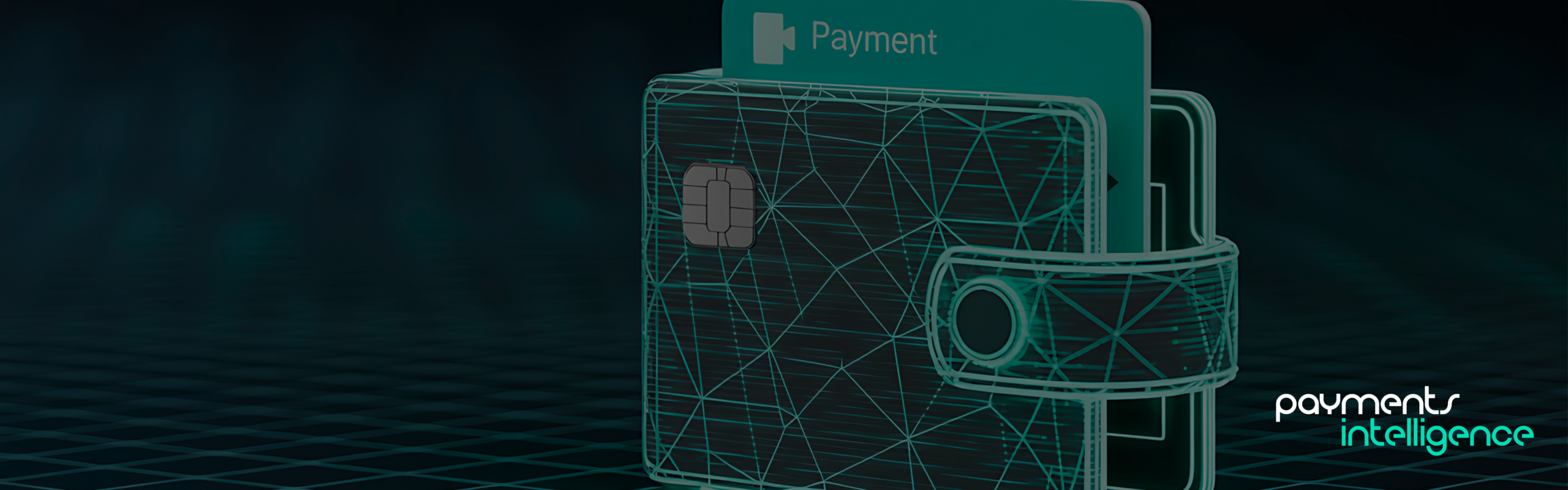

B2B payments are being reshaped by orchestration, automation, and embedded finance, enabling faster, smarter, and more scalable global transactions for businesses.
A significant shift is underway in the world of business-to-business (B2B) payments. For a long time, B2B payments have been slower, less automated, less visible, and less seamless than consumer payments. The way things are changing now is that cloud architecture, real-time payment rails, embedded finance, and intelligent orchestration are all coming together.
Payment orchestration is the layer that sits above gateways, acquirers, banks, and alternative payment methods (APMs) to coordinate payment flows, routing logic, reconciliation, reporting, and risk/fraud mitigation. It is becoming mission-critical for businesses that want to scale global transactions, lower costs, and enhance their customers’ business experiences.
At the same time, embedded payments are becoming popular in B2B transactions. What was once focused on consumers (such as “pay in-app” and “one-click checkout”) is now transforming supply chains, marketplaces, B2B SaaS platforms, and procurement systems. Instead of vendors sending invoices and waiting days for payment, payment is now integrated directly into business processes, occurring automatically and in real-time.
How payment orchestration helps B2B & embedded payments
Unified pay-in & pay-out flows
In B2B, businesses have to handle both incoming (pay-in) and outgoing (pay-out) payments. This means accepting money and paying suppliers or partners. Modern orchestration platforms consolidate all these flows into a single system. For embedded-payment ecosystems, this means that a platform can instantly handle collections, commissions, and payments, eliminating the need for manual transfers or separate banking integrations.
Intelligent routing and optimisation
Smart routing is a key part of orchestration. It automatically selects the most suitable PSP or banking route based on location, cost, or the transaction’s success rate. This makes things more reliable, cost-effective, and efficient for B2B companies that handle large, high-value payments. Advanced routing can double the chances of a payment being processed successfully and significantly reduce processing costs.
Embedded into platform ecosystems
Users can’t see embedded payments because they happen automatically as part of existing workflows. For instance, a SaaS billing system might enable suppliers to receive payment immediately after an invoice is approved. A procurement platform could have options for credit and early payment built into its UI. Payment orchestration is the “infrastructure glue” that handles everything from AML/KYC to currency conversion and settlement routing.
Global reach & multi-rail support
In a world where payments are fragmented, orchestration platforms enable you to use cards, open banking, wallets, A2A, and virtual accounts all from a single interface. This unified multi-rail approach ensures that B2B marketplaces or platforms operating across multiple regions are both compliant and cost-effective, while also supporting local payment preferences.
What this means for businesses & platforms
Quick to market & flexibility
Companies that utilise orchestration can bring their products to market faster. They can add new payment methods, PSPs, or locations without having to change the code in their systems. They can expand their business internationally or enter new markets with relative ease because they are flexible.
Competitive differentiation
Payments are now a key way for businesses to differentiate themselves from the competition in B2B. Providing real-time payouts, built-in credit options, or a variety of local payment methods can help keep customers and turn them into sales. Companies that utilise orchestration have higher transaction success rates and happier customers, which are two key factors in fostering long-term loyalty in B2B relationships.
Risk, fraud, and compliance
Managing risk and adhering to regulations becomes increasingly challenging as B2B transactions accelerate and expand across borders. Orchestration systems centralise fraud prevention, monitor transactions at the transaction level, and ensure that cross-border rules are followed. Combining AI and analytics adds another layer of protection by identifying problems in real-time.
Future readiness & scalability

Because orchestration platforms are modular and built around APIs, businesses can easily add new payment methods as they come out, such as digital wallets and blockchain-based settlements. Companies that invest in orchestration today are laying the groundwork for a lasting foundation that can support global growth.
Looking forward (2025 & Beyond)
Payment orchestration will become the backbone of global B2B transactions in the next few years:
- The number of real-time B2B payments is expected to increase by 33% annually until 2026.
- It is expected that embedded payments on B2B platforms will grow by 20% annually until 2026.
- The payment orchestration market is projected to grow at a rate of nearly 25% annually until 2034.
- AI-driven analytics will be the norm for routing, reconciling, and stopping fraud.
- Cross-border transactions will be mostly done through multi-rail networks and open banking APIs.